What I Learned from Market Chaos: A Real Talk on Emergency Investing
I used to think my emergency fund was enough—until a sudden market crash wiped out half my portfolio overnight. That’s when I realized: being prepared means more than just savings. It means understanding how markets react, where to pivot, and what moves actually protect your money. This is what I’ve learned the hard way, and I’m sharing it all with you. Financial security isn’t just about how much you save; it’s about how well you prepare for the unexpected. In moments of crisis, traditional rules often fall short, and emotional discipline becomes as important as investment strategy. What follows is not a theoretical guide, but a real-world reflection on surviving financial turbulence with lessons that matter long after the storm passes.
The Wake-Up Call: When My Safety Net Wasn’t Enough
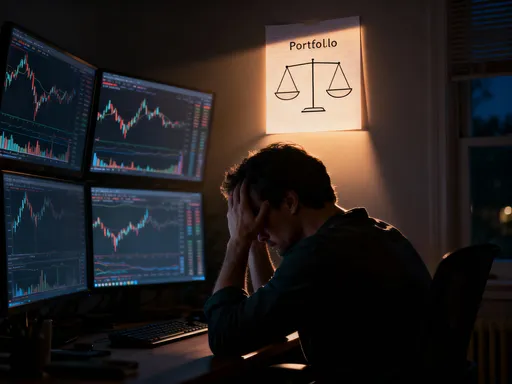
It happened in early spring, without warning. One morning, my portfolio was steady. By evening, it had dropped nearly 50 percent. I had followed all the conventional advice: diversified investments, automatic contributions, a six-month emergency fund. Yet, none of it seemed to matter as the numbers on my screen plunged. I felt helpless, watching years of careful saving unravel in a matter of days. That moment was my wake-up call—a harsh reminder that having money set aside doesn’t equate to being truly prepared.
What I had mistaken for financial security was, in reality, a fragile illusion. My emergency fund covered immediate living expenses, but it did nothing to protect the long-term value of my investments. I had assumed that time in the market would smooth out volatility, but I hadn’t accounted for the psychological toll of watching wealth disappear so quickly. The emotional shock was paralyzing. I found myself checking my accounts obsessively, torn between the urge to sell everything and the fear of locking in losses. In that state, clear thinking became nearly impossible.
Looking back, I realize I wasn’t alone in this overconfidence. Many people trust that a “set-it-and-forget-it” approach will carry them through any storm. They believe that diversification alone is enough, or that simply avoiding debt ensures safety. But real crises expose the gaps in these assumptions. The truth is, financial preparedness isn’t just about numbers—it’s about having a strategy that accounts for volatility, uncertainty, and human behavior. My emergency fund was a necessary foundation, but it wasn’t the entire structure. I needed more: a plan for market drops, mental resilience, and the flexibility to adapt when conditions changed.
That experience taught me humility. It also taught me that preparation isn’t a one-time event. It’s an ongoing process of evaluation, adjustment, and learning. I began asking harder questions: What if my job disappeared at the same time? What if inflation rose while my portfolio fell? What if I needed access to money quickly, but markets were frozen? These weren’t hypotheticals anymore. They were real risks that demanded real solutions. From that point on, I shifted my focus from simply growing wealth to protecting it—and that made all the difference.
Emergency Situations and Market Behavior: What Actually Happens
When emergencies strike, markets don’t respond with logic—they respond with emotion. Fear spreads faster than facts, and selling often begins before the full impact is even understood. Whether it’s a global health crisis, a sudden job loss, or a broader economic shock, the pattern is remarkably consistent: panic leads to sell-offs, liquidity dries up, and even well-diversified portfolios can suffer. Understanding this behavior is the first step toward making smarter decisions when it matters most.
Historically, financial markets have shown a strong tendency to overreact in the short term. During the 2008 financial crisis, for example, the S&P 500 dropped more than 50 percent from its peak before beginning its recovery. Similarly, in early 2020, global markets plunged within weeks as uncertainty about the pandemic took hold. In both cases, the initial decline was steep and rapid, driven less by fundamentals and more by investor sentiment. Those who sold at the bottom locked in massive losses, while those who held or strategically rebalanced were often rewarded over time.
One of the most important lessons I learned is that not all assets behave the same way under stress. Stocks, especially in volatile sectors, tend to fall sharply. Real estate may lose liquidity, making it difficult to sell quickly. Even bonds, traditionally seen as safe, can decline if interest rates shift unexpectedly. Meanwhile, cash retains its face value but loses purchasing power if inflation rises. This means that asset allocation isn—and remains—a critical factor in weathering downturns. Simply owning a mix of investments isn’t enough; you need to understand how each one might perform when pressure mounts.
Another key insight is the role of timing. Markets often bottom out before the news improves, meaning that the most fearful moments can also be the most opportune. However, few people have the emotional strength to buy when everything feels bleak. That’s why having a pre-defined strategy is so valuable. Instead of reacting to headlines, you can follow a plan based on your risk tolerance and time horizon. This doesn’t guarantee profits, but it does reduce the chance of making irreversible mistakes. Knowing what typically happens during crises doesn’t eliminate risk, but it gives you a framework for navigating it with more confidence.
Redefining Preparedness: Beyond the Emergency Fund
For years, financial experts have preached the same message: save three to six months’ worth of living expenses. It’s solid advice, and I don’t dispute its value. But my experience showed me that this rule, while essential, is incomplete. An emergency fund protects against short-term income disruptions, but it doesn’t shield you from long-term market declines, inflation, or the need to access invested capital at the worst possible time. True preparedness goes beyond a savings account—it requires a layered defense.
One of the first changes I made was to stress-test my entire financial picture. I asked myself: What if I lost my job and the market crashed at the same time? What if I needed to withdraw from my retirement account in a down year? Running these scenarios helped me identify vulnerabilities I hadn’t considered. For instance, I realized that while I had six months of cash, a large portion of my net worth was tied up in retirement accounts that would incur penalties if accessed early. That meant my “wealth” wasn’t as accessible as I thought.
To address this, I built additional layers of liquidity. I created a short-term reserve in a high-yield savings account, separate from my main emergency fund, specifically for unexpected investment needs. I also reviewed my asset allocation to ensure I wasn’t overexposed to any single category. Relying too heavily on stocks, real estate, or even bonds can create blind spots. A more resilient approach includes a mix of cash equivalents, income-generating assets, and growth-oriented investments, each serving a different purpose.
Mental preparedness is just as important. I started practicing financial mindfulness—regularly reviewing my goals, risk tolerance, and portfolio performance without reacting emotionally. I also limited my exposure to financial news, which often amplifies fear. Instead, I focused on long-term trends and my personal plan. Preparedness isn’t about predicting every possible crisis; it’s about creating a system that can absorb shocks without collapsing. By expanding my definition of readiness, I gained not just more options, but more peace of mind.
Risk Control: How to Shield Your Portfolio Without Panicking
One of the most dangerous moments in investing isn’t the market drop—it’s the decision that follows. When fear takes over, the instinct is to sell, to “do something.” But history shows that panic selling often turns temporary losses into permanent ones. The real skill in investing isn’t timing the market; it’s managing your behavior when the market moves against you. That’s where risk control becomes essential.
After my wake-up call, I implemented several rules to prevent emotional decisions. First, I set pre-defined exit triggers for certain holdings—not based on daily price swings, but on fundamental changes in a company’s outlook or my financial needs. This removed the temptation to react impulsively. Second, I committed to dollar-cost averaging during downturns, investing fixed amounts at regular intervals regardless of price. This approach allowed me to buy more shares when prices were low, improving my long-term average cost.
Rebalancing was another critical tool. Over time, market movements can shift your portfolio away from your target allocation. If stocks surge, they may become a larger portion of your holdings than intended, increasing risk. Conversely, a crash can leave you overly conservative. I began reviewing my portfolio quarterly and making adjustments to maintain balance. This wasn’t about chasing performance; it was about staying aligned with my goals and risk tolerance.
Equally important was cultivating emotional discipline. I reminded myself that volatility is normal, not a sign of failure. I stopped checking my account daily and instead focused on my long-term plan. I also talked to a financial advisor, not for stock tips, but for perspective. Having an outside voice helped me stay grounded. Risk control isn’t about avoiding losses entirely—that’s impossible. It’s about having a strategy that keeps losses manageable and prevents them from derailing your entire financial future.
Smart Moves: Where to Park Money When Markets Wobble
When markets become unstable, the instinct is to pull everything into cash. But holding too much cash can be its own risk, especially if inflation rises. Money that sits idle loses purchasing power over time. The goal isn’t to hide from risk, but to move into assets that preserve capital while still offering some growth potential. The key is knowing where to park your money during turbulent times.
I began shifting a portion of my portfolio into short-term bonds and bond funds. These typically have less price volatility than stocks and provide regular income. While they’re not immune to interest rate changes, they tend to hold up better during downturns. I also increased my allocation to money market funds, which offer slightly higher yields than regular savings accounts while maintaining high liquidity and safety. These aren’t high-growth vehicles, but they serve an important role: stability.
Another area I explored was dividend-paying stocks from established companies with strong balance sheets. Not all stocks are equal in a crisis. Some sectors, like consumer staples, utilities, and healthcare, tend to remain stable because people continue to buy essential goods and services. Companies in these areas often continue paying dividends even when markets fall, providing a steady income stream. I focused on those with a history of consistent payouts, avoiding high-yield traps that might cut dividends under pressure.
I also became more cautious about so-called “safe” assets. For example, gold is often promoted as a crisis hedge, but its price can be just as volatile as stocks. Similarly, holding large amounts of cash may feel secure, but if inflation outpaces interest rates, you’re effectively losing money. The lesson here is balance. Instead of making drastic shifts, I adjusted my allocation gradually, ensuring I wasn’t overexposed to any single asset class. Smart moves during market wobbles aren’t about timing the perfect exit; they’re about positioning yourself to endure the storm without sacrificing long-term growth.
Earning in a Crisis: Realistic Income Streams That Held Up
When the market crashes, income becomes even more critical. If your job is at risk or your investments are down, having alternative sources of cash flow can make a huge difference. I learned that not all side incomes are created equal—some dry up quickly in a downturn, while others remain stable or even grow. The key is to focus on demand-driven opportunities that solve real problems.
One of the most reliable income streams I developed was freelance consulting in my area of expertise. Because I offered services businesses still needed, demand remained steady even when the economy slowed. I also explored rental income, but with a flexible approach. Instead of long-term leases, I offered month-to-month agreements, allowing me to adjust pricing or terms as needed. This provided steady cash flow without locking me into unfavorable conditions.
Dividend reinvestment plans (DRIPs) also played a role. By automatically reinvesting dividends, I was able to buy more shares at lower prices during the downturn, accelerating my recovery when the market rebounded. This wasn’t a get-rich-quick scheme; it was a disciplined way to compound gains over time. I also avoided high-risk ventures like day trading or speculative investments, which often promise quick returns but carry a high chance of loss.
What didn’t work? Anything dependent on discretionary spending. I tried selling handmade goods online, but sales dropped sharply as people cut back. I also paused contributions to high-growth startups, recognizing that early-stage companies are especially vulnerable in crises. The lesson was clear: in uncertain times, focus on income that meets essential needs, not wants. Stability beats speculation every time. By diversifying my income and focusing on resilience, I gained not just financial flexibility, but confidence that I could weather future storms.
Building a Resilient Financial Mindset for the Long Haul
Perhaps the most lasting change wasn’t in my portfolio—it was in my mindset. I used to measure success by returns, by how much my account balance grew each year. Now, I measure it by stability, by how well I sleep at night. Financial fitness isn’t just about numbers; it’s about peace of mind, clarity, and the ability to adapt. That shift in perspective has been the most powerful tool in my financial journey.
I now view money as a system, not a scorecard. Every decision—from saving to investing to earning—is part of a larger structure designed to support my life, not just grow wealth. I prioritize education, regularly reading about personal finance, market trends, and economic history. But I do so without obsession. I set boundaries on news consumption, knowing that constant updates often fuel anxiety rather than insight.
I also embrace flexibility. Life doesn’t follow a straight path, and neither should your financial plan. I review my goals annually, adjusting for changes in income, family needs, or market conditions. I’ve learned to accept that I can’t control the market, but I can control my response to it. This mindset has made me more resilient, more patient, and more confident in my decisions.
Ultimately, financial resilience is a lifestyle. It’s built through consistent habits, thoughtful planning, and emotional discipline. It’s not about avoiding risk, but about understanding it and preparing for it. The market will always have chaos. Economic downturns will come and go. But with the right mindset, you can face them not with fear, but with readiness.
Looking back, I wouldn’t wish that crisis on anyone—but I’m grateful for what it taught me. Real preparedness isn’t about predicting the future; it’s about building a system that can bend without breaking. The market will always have chaos. The question is: will you be ready when it hits?