A Private Taste of Auckland: Where Local Flavors Steal the Show
You know that feeling when a city surprises you not with its skyline, but with its flavors? Auckland did exactly that for me. Beyond the harbor views and volcanic hills, it’s the intimate, under-the-radar dining moments that truly define this city. From quiet seaside spots to family-run kitchens pouring soul into every dish, I discovered a side of Auckland most tourists miss. This isn’t about flashy restaurants—it’s about connection, authenticity, and the kind of meals that stay with you long after the plate is empty. These experiences, often tucked away in unassuming neighborhoods or hosted in backyards and markets, reveal the heartbeat of a multicultural metropolis where food is more than sustenance—it’s storytelling, heritage, and hospitality all served on a plate.
The Heartbeat of Auckland’s Food Scene
Auckland’s culinary identity is not defined by a single tradition, but by the seamless fusion of many. As New Zealand’s most diverse city, it draws from Māori, Pacific Island, Asian, and European influences to create a food culture that is both dynamic and deeply personal. This multicultural tapestry is not just visible in the variety of dishes available, but in the way food is shared—often with warmth, pride, and a sense of belonging. While many visitors gravitate toward the well-lit restaurants along the waterfront, the true essence of Auckland’s food scene often lies in quieter corners, where family recipes are passed down through generations and where the chef might greet you at the door like an old friend.
One of the most striking aspects of Auckland’s food culture is how closely it mirrors the city’s demographic makeup. Nearly half of Auckland’s residents were born overseas, bringing with them culinary traditions from Samoa, Tonga, India, Korea, Vietnam, and beyond. This diversity is not curated for tourism—it’s lived. In neighborhoods like Ponsonby, Ōtāhuhu, and Sandringham, it’s common to find small eateries where the menu is handwritten, the seating is limited, and the food is made the way it is at home. These spaces are not designed for Instagram aesthetics; they are built for authenticity. The result is a dining experience that feels less like a transaction and more like an invitation into someone’s world.
What elevates these meals is the personal connection between diner and host. In many of these low-key establishments, the owner is also the cook, the server, and the storyteller. They might explain the significance of a particular spice, describe how a dish is prepared for special occasions, or share memories of learning to cook from a parent or grandparent. This level of engagement transforms eating into an act of cultural exchange. It’s not just about taste—it’s about understanding. And in a world where global cuisine is often homogenized for mass appeal, these moments of intimacy feel rare and precious.
Why Private Dining Experiences Matter
In recent years, there has been a quiet shift in how people approach travel and dining. More travelers are moving away from standard restaurant visits and seeking out private, intimate food experiences—spaces where the focus is not on spectacle, but on connection. In Auckland, this trend has taken root in a variety of forms: chef’s tables tucked behind open kitchens, pop-up dinners in private gardens, and reservation-only gatherings in local homes. These settings offer something that traditional restaurants often cannot: a sense of exclusivity, a slower pace, and a deeper immersion in both food and culture.
Private dining experiences are meaningful because they allow for storytelling. When a chef prepares a meal in front of you, explaining each step and ingredient, the act of eating becomes educational and emotional. You’re not just consuming a dish—you’re witnessing its creation, learning its history, and feeling the care that went into it. On Waiheke Island, for example, some vineyards host small-group dinners where guests dine among the vines, with the winemaker and chef sharing insights about the pairing of local wines with seasonal dishes. These moments create lasting impressions, not because of luxury, but because of authenticity.
Another reason these experiences resonate is their sensory richness. Without the distractions of a busy dining room or a loud soundtrack, attention turns to the details—the sizzle of a pan, the aroma of fresh herbs, the texture of handmade bread. In a private setting, food is experienced more fully. The conversation flows more naturally, questions are welcomed, and there’s room for spontaneity. A guest might be invited to help prepare a dish, or the chef might bring out an unplanned course based on what’s fresh that day. These unscripted moments are where real connection happens.
Moreover, private dining often supports local food systems. Many of these experiences emphasize sustainability—using ingredients from nearby farms, reducing waste, and honoring traditional preparation methods. By choosing such meals, travelers contribute to a more responsible form of tourism, one that values community and environment over convenience and profit. In Auckland, where the land and sea provide an abundance of fresh produce, seafood, and dairy, this connection to source is not just a trend—it’s a way of life.
Finding the Hidden Gems: Off-the-Beaten-Path Eateries
Discovering Auckland’s best-kept culinary secrets requires a shift in mindset. Instead of relying solely on guidebooks or top-rated apps, it means embracing curiosity and conversation. Some of the most memorable meals in the city are found not through online searches, but through chance encounters—overhearing a local’s recommendation, noticing a queue at a nondescript storefront, or following the scent of spices down a quiet street. The key is to move beyond the tourist zones and explore neighborhoods where daily life unfolds at a gentler pace.
Areas like Grey Lynn, Mt. Eden, and Devonport are rich with such opportunities. In Grey Lynn, a walk along Great North Road might lead to a small café run by a Fijian family, where lovo-style meats are slow-cooked underground and served with taro and coconut cream. In Mt. Eden, tucked behind volcanic rock gardens, a Thai grandmother might operate a weekend-only noodle stall, serving dishes she learned to make in Chiang Mai decades ago. Devonport, with its ferry-accessed charm, hosts quiet seafood shacks where fishermen sell the day’s catch straight off the boat, often cooked to order with minimal seasoning to let the flavor shine.
One of the most reliable ways to find these spots is to visit local farmers’ markets. At the Auckland Farmers Market or the Avondale Community Market, vendors are often the producers themselves—farmers, bakers, beekeepers—who take pride in sharing their craft. Strike up a conversation, ask about their process, and you might be invited to a pop-up dinner or a home kitchen event the following weekend. These interactions are not just transactional; they are relational. The same goes for independent coffee shops, where baristas often know the best nearby eateries and are happy to point you in the right direction—if you take the time to ask.
Another useful strategy is to follow local food bloggers or community food collectives on social media. Unlike global influencers, these voices are rooted in the city’s daily rhythms and are more likely to highlight under-the-radar experiences. They might post about a Māori-led hangi dinner under the stars, a Samoan church fundraiser serving traditional palusami, or a Korean family opening their home for a kimchi-making workshop. These events are not always advertised widely, but they are deeply authentic. By tuning into these local networks, travelers gain access to a version of Auckland that feels personal and real.
Seaside Tables with a View: Coastal Dining Done Right
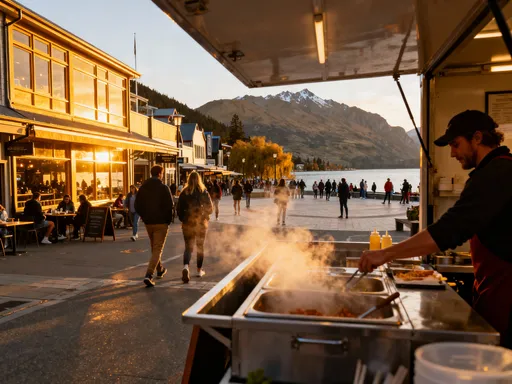
Auckland’s geography is defined by water. Surrounded by two harbors and dotted with islands, the city has a natural advantage when it comes to coastal dining. But it’s not just the view that makes these meals special—it’s the immediacy of the ingredients. In places like Takapuna, Mission Bay, and Leigh, seafood is often caught the same day it’s served. There’s a rhythm to coastal eating here: early morning fishing trips, midday market sales, and evening meals where the ocean breeze mingles with the scent of grilled snapper or steamed mussels.
One of the most memorable coastal experiences is dining on Waiheke Island, accessible by a short ferry ride from downtown. Away from the crowds, small vineyard restaurants offer multi-course meals featuring local oysters, wild herbs, and free-range meats. The pace is unhurried, the service warm, and the setting often includes panoramic views of the Hauraki Gulf. Sunset is the ideal time to visit—not just for the light, but because it marks a transition from day to evening, from activity to reflection. As the sky shifts from gold to deep blue, conversations slow, and the meal becomes a moment of presence.
What sets these seaside meals apart is their simplicity. Many coastal eateries do not rely on elaborate techniques or imported ingredients. Instead, they focus on quality and seasonality. A fisherman’s shed in Leigh might serve only two dishes: a seafood chowder made with whatever was caught that morning, and a grilled fish platter with lemon and herbs. There’s no menu to stress over—just trust in the day’s harvest. This approach reflects a broader philosophy in Auckland’s food culture: that the best meals are not the most complex, but the most honest.
Sustainability is also a growing priority in coastal dining. Many restaurants now partner with local fisheries that use selective gear to minimize bycatch, or source from shellfish farms that help filter and clean the water. Some even display the name of the boat that caught the fish or list the farm where the greens were grown. This transparency builds trust and deepens the diner’s connection to the place. For travelers, it’s a reminder that food is not separate from the environment—it is a direct expression of it.
From Market Stalls to Home Kitchens: The Rise of Authentic Flavors
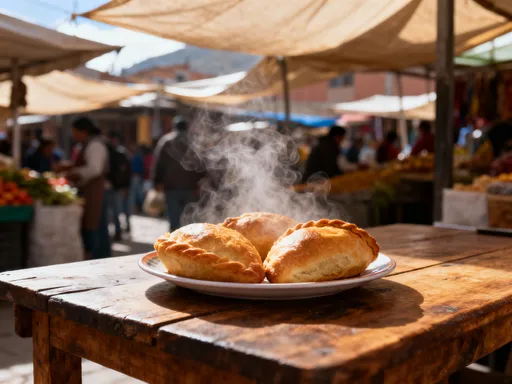
In recent years, Auckland has seen a resurgence of interest in informal, community-based food experiences. Weekend markets, cultural festivals, and home kitchen ventures have become vital spaces for preserving culinary heritage and sharing it with others. Unlike formal restaurants, which often adapt dishes to suit broad tastes, these settings serve food as it is made in homes and villages—unfiltered and full of character. The K Road Night Market, for example, brings together vendors from across the city’s diverse communities, offering everything from Samoan panikeke to Indian dosas to Māori rewena bread.
What makes these markets special is their energy. They are not curated for tourists; they are part of the city’s social fabric. Families come to shop, friends gather to eat, and music often plays in the background. The food is served with pride, and the vendors are usually happy to explain their methods or share a story about their recipe. A Tongan woman might describe how her lu pulu is wrapped in banana leaves and slow-cooked for hours, or a Vietnamese elder might talk about the importance of balance in pho broth. These interactions turn a simple meal into a cultural exchange.
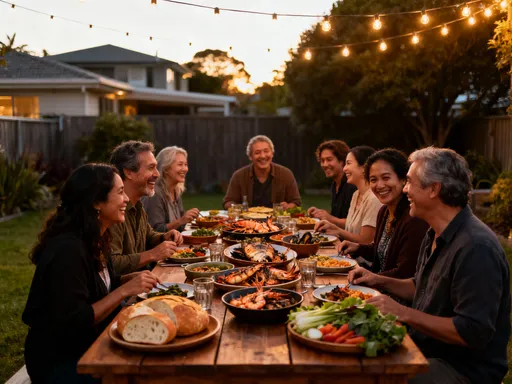
Even more intimate are the home kitchen initiatives that have emerged across the city. Some families now open their homes for small-group dinners, offering traditional meals in a domestic setting. These events are often organized through community networks or local food platforms and require advance booking. Dining in someone’s home—sitting at their table, using their plates, hearing their laughter from the kitchen—creates a level of intimacy that no restaurant can replicate. It’s a reminder that food is not just about nutrition or pleasure, but about hospitality and human connection.
These grassroots food movements also play an important role in cultural preservation. As younger generations grow up in a globalized world, there is a risk that traditional cooking methods and recipes may be lost. By creating spaces where elders can pass down their knowledge, and where younger cooks can experiment with ancestral flavors, Auckland is keeping its culinary heritage alive. For travelers, participating in these experiences is a way to honor that legacy and to eat with intention.
Practical Tips for Curating Your Own Private Dining Journey
Planning a private dining experience in Auckland doesn’t require special connections—just curiosity and a willingness to explore. Start by researching local food collectives or community-led initiatives that connect visitors with home cooks and small-scale producers. Platforms like Eat My Lunch, which supports social enterprises, or Auckland Food Tours, which partners with independent guides, can provide access to authentic experiences that are not widely advertised. These organizations often prioritize cultural respect and fair compensation, ensuring that both hosts and guests benefit.
When booking an intimate meal, it’s important to communicate clearly. Let the host know about any dietary restrictions, but also express openness to trying new things. Many traditional dishes use ingredients that may be unfamiliar, and part of the experience is stepping outside your comfort zone. At the same time, be respectful of cultural protocols. In Māori or Pacific Island settings, for example, it’s customary to arrive on time, to greet elders first, and to express gratitude before and after the meal. These gestures go a long way in building trust and showing appreciation.
Timing is also key. Many private dining events are held on weekends or during cultural festivals, so planning ahead is essential. Some experiences, like a home kitchen dinner or a vineyard gathering, may require bookings weeks in advance. Others, like market stalls or pop-ups, are more spontaneous—worth seeking out on a Saturday afternoon or during a local event. Flexibility and patience are valuable traits for this kind of travel. The best experiences often come from unplanned moments—a conversation with a vendor, a last-minute invitation, a dish you didn’t know you’d love.
Finally, approach these meals with humility and gratitude. Remember that you are being welcomed into a personal space, whether it’s a kitchen, a backyard, or a community hall. A simple thank-you, a small gift, or a follow-up message can leave a lasting impression. And by sharing your experience—thoughtfully, respectfully—you help support a model of tourism that values connection over consumption.
Beyond the Plate: How Food Connects You to Place
In the end, the most memorable meals are not defined by their ingredients or presentation, but by the feelings they evoke. A shared plate in a backyard, a story told over steaming soup, a sunset meal by the sea—these are the moments that linger long after the journey ends. In Auckland, where cultures converge and traditions are honored, food becomes a bridge between people and places. It invites us to slow down, to listen, and to be present.
Private dining experiences offer more than just nourishment—they offer insight. They reveal the values of a community: its respect for the land, its pride in heritage, its generosity toward strangers. To eat in someone’s home or at their table is to be trusted, and that trust is a gift. It changes the way we see a destination, shifting our focus from landmarks to relationships, from sightseeing to storytelling.
Auckland, with its open spirit and rich culinary tapestry, reminds us that travel is not just about where we go, but how we connect. The city does not need grand gestures to impress—it wins hearts quietly, one meal at a time. So the next time you visit, look beyond the postcard views. Seek out the small kitchens, the hidden tables, the hands that cook with love. Let food be your guide, and you may find that the most unforgettable journeys begin not with a map, but with a shared plate.