You Won’t Believe How Siem Reap Comes Alive During Festival Season
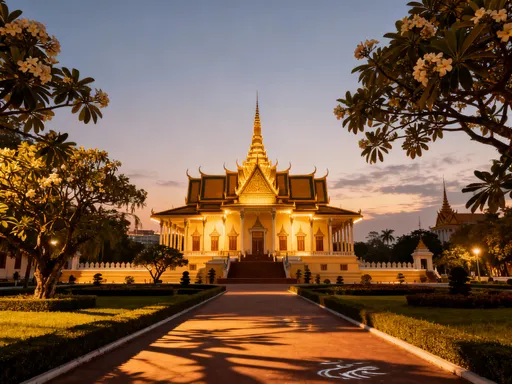
Siem Reap isn’t just about Angkor Wat at sunrise—its soul truly ignites during festival season. I’ve walked through streets glowing with lanterns, danced to traditional drums, and tasted dishes made only once a year. The energy is electric, the culture deep and welcoming. If you think Cambodia is just temples and history, you’re missing half the story. Festivals here don’t just celebrate tradition—they bring it to life in ways that’ll leave you breathless. They transform quiet lanes into rivers of color, turn ordinary courtyards into stages for ancestral songs, and invite visitors not just to observe, but to feel, taste, and remember. This is where heritage breathes, where generations gather, and where travelers discover the heartbeat of Cambodia.
The Heartbeat of Siem Reap: Beyond the Temples
For many, Siem Reap exists as a backdrop to Angkor Wat—a place to rest between temple visits, a basecamp for sunrise photography and ancient stone corridors. But to reduce this city to a transit point is to overlook its vibrant cultural pulse. Siem Reap is a living, breathing community, and nowhere is that more evident than during its festival season. When the drums start, the city sheds its daytime calm and reveals a spirit steeped in tradition, joy, and deep communal connection.
Festivals in Siem Reap are not performances staged for tourists. They are real, heartfelt expressions of identity, faith, and continuity. The streets near the Old Market, usually bustling with shoppers and street food vendors, become even more animated—lined with stalls selling handmade offerings, children balancing trays of lotus blossoms, elders in silk tunics walking slowly toward temple gates. The air fills with the scent of incense and grilled bananas wrapped in banana leaves, and the sound of traditional Khmer music drifts from open-air stages.
What makes these celebrations so powerful is their authenticity. Families gather for days, preparing food, cleaning homes, and dressing in traditional attire passed down through generations. The festivals are interwoven with religious practice, seasonal cycles, and ancestral memory. For the visitor, this means an opportunity not just to witness, but to participate in something meaningful. Whether it’s lighting a candle at a neighborhood shrine or accepting a sweet rice cake from a smiling grandmother, these small moments create lasting impressions.
And while Angkor Wat remains a marvel, it is during these festivals that Siem Reap’s true soul shines. The temples may be stone, but the people are the living heritage. Their songs, dances, and rituals carry forward centuries of belief and beauty. To visit during festival season is to see Cambodia not as a relic, but as a culture in motion—dynamic, resilient, and deeply rooted.
Water, Light, and Joy: The Magic of Bon Om Touk
If there’s one festival that captures the full energy of Cambodian celebration, it’s Bon Om Touk, the Water Festival. Held annually in November, usually under a full moon, Bon Om Touk marks the reversal of the flow of the Tonlé Sap River—a natural phenomenon that has sustained Cambodian life for generations. But beyond its environmental significance, the festival is a grand celebration of gratitude, unity, and renewal.
In Siem Reap, the festivities center around the Siem Reap River, which swells with activity during the three-day event. Long, narrow boats—each carved from a single tree trunk and painted in bold colors—race down the waterway to the thunderous beat of drums. These boat races, known as *kralorng*, are fiercely competitive, with teams from villages across the region training for months. Spectators line the riverbanks, cheering as paddlers in matching shirts surge forward, their movements perfectly synchronized.
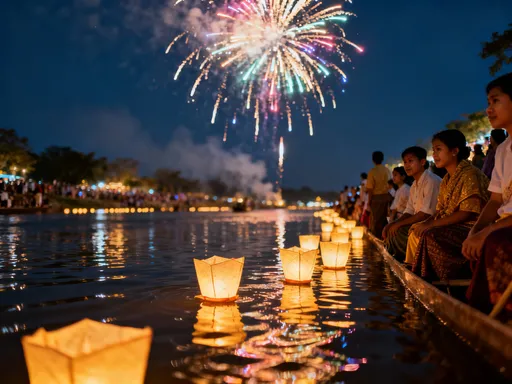
As night falls, the atmosphere shifts from excitement to serenity. Thousands gather along the river to release *krathongs*—small, lotus-shaped floats made from banana wood and decorated with candles, incense, and flowers. These offerings are set gently upon the water as a gesture of thanks to the river goddess, Preah Mae Kongkea, and to let go of negativity. The sight is mesmerizing: a river shimmering with tiny flames, reflecting the moon above, as families stand in quiet reverence.
Fireworks burst overhead, illuminating the faces of children clutching sparklers, couples whispering wishes, and monks in saffron robes observing from the shadows. The air is thick with the scent of frangipani and grilled coconut cakes sold by night vendors. Music plays from temporary stages—traditional *pinpeat* ensembles alongside modern Khmer pop—but there’s a hush during the lantern release, a collective pause that speaks to the depth of feeling behind the celebration.
Bon Om Touk is more than a festival; it’s a reminder of Cambodia’s deep relationship with water—its source of life, food, and spiritual meaning. For visitors, it offers a rare chance to witness a tradition that is both grand in scale and intimate in emotion. It’s not uncommon to be invited to join a family’s krathong ceremony or to receive a blessing from a local elder. These gestures, small but sincere, reflect the openness and warmth that define Siem Reap’s festival culture.
Pchum Ben: A Deeper Look at Ancestral Reverence
Not all Cambodian festivals are marked by music and merriment. Pchum Ben, a 15-day observance in September or October, is a time of quiet reflection, spiritual duty, and ancestral remembrance. While it may lack the visual spectacle of other celebrations, its emotional and cultural depth is unmatched. For those willing to approach with respect, Pchum Ben offers one of the most profound insights into the Cambodian worldview.
The festival is rooted in Buddhist belief—the idea that ancestors who have not found peace may return during this time, seeking offerings from their living relatives. Cambodians visit pagodas daily, bringing food, incense, and robes to offer to monks, who in turn transfer merit to the spirits. The belief is that these acts of generosity help ease the suffering of the departed and ensure their continued journey toward enlightenment.
In Siem Reap, temples such as Wat Preah Prom Rath and Wat Svay Dong Pen become centers of activity. Long lines of worshippers, dressed in white as a symbol of purity, file into the courtyards carrying baskets of sticky rice, bananas, and sweet cakes. Monks chant in low, rhythmic tones, their voices blending with the rustle of palm leaves and the occasional chime of a bell. The atmosphere is solemn but not somber—there is a sense of purpose, of duty fulfilled with love.
For travelers, Pchum Ben is not a festival to “experience” in the usual sense. There are no parades, no street parties, no photo opportunities. Instead, it is a time to observe, to listen, and to reflect. Visitors are welcome at temples, but they are expected to dress modestly, speak quietly, and avoid intrusive behavior. Many choose to sit on the edges of the courtyard, watching as families kneel before altars, their hands pressed together in prayer.
What makes Pchum Ben so powerful is its universality. Though rooted in Buddhist tradition, the act of honoring ancestors resonates across cultures. It speaks to the human need to remember, to connect, to care for those who came before. For a visitor, witnessing this quiet devotion can be a deeply moving experience—one that fosters empathy and understanding. It’s a reminder that travel is not just about seeing new places, but about seeing the world through new eyes.
Khmer New Year: Chaos, Games, and Sweet Treats
When the calendar turns to April, Siem Reap erupts in celebration. Chaul Chnam Thmey, the Khmer New Year, is a three-day festival of cleansing, renewal, and unrestrained joy. After the quiet of Pchum Ben, the shift is dramatic—streets fill with music, water fights break out in alleyways, and laughter echoes from every corner. It’s a time when the whole country pauses to welcome the new year with playfulness, prayer, and family.
The festival begins with housecleaning and the preparation of offerings for the *maha mondop*, a sacred structure built in temple courtyards to honor the arrival of the new year. Families dress in new clothes, often in bright silks, and visit pagodas to make merit, light candles, and pour scented water over the hands of elders as a sign of respect. These rituals are balanced with lighthearted traditions that bring out the child in everyone.
One of the most beloved customs is the water play. Armed with buckets, sprayers, and even water balloons, people of all ages douse each other in the streets. This isn’t just for fun—it symbolizes purification, washing away the misfortunes of the past year. While tourists should be prepared to get wet, the water is always offered with a smile, never aggression. It’s an invitation to join in, to let go of formality and embrace the moment.
Traditional games are another highlight. In parks and temple grounds, you’ll find groups playing chol chhoung, a game where a cloth ball is tossed and caught to music, and leak kanseng, a blindfolded tag game that draws loud cheers and laughter. Elders watch from shaded benches, sipping coconut water and reminiscing about their own childhood celebrations. Meanwhile, food stalls overflow with seasonal treats—num ansom (sticky rice cakes wrapped in banana leaves), nom pleaing (coconut-rice pancakes), and sweet, chilled fruit drinks.
What makes Khmer New Year so special is its balance. It’s a festival of faith and family, but also of fun and freedom. It invites participation without pressure—whether you’re pouring water over a monk’s hands or dancing to a street band, you’re part of the moment. For visitors, it’s a chance to celebrate alongside locals, to feel the warmth of shared joy, and to carry a piece of that happiness home.
Where to Stay and How to Blend In
To truly experience Siem Reap’s festival season, where you stay matters as much as when you visit. While luxury resorts offer comfort, they often sit on the outskirts, removed from the heart of the action. For deeper immersion, consider staying in family-run guesthouses near the Old Market or along Pub Street—areas that come alive during festivals and offer easy access to temples, parades, and local gatherings.
These smaller accommodations are often managed by Cambodian families who are happy to share insights about festival customs, recommend authentic food stalls, or even invite you to join their celebrations. A simple gesture—like greeting the owner with a polite “sous-dey” (hello) or “awk-koon” (thank you)—can open doors to meaningful interactions. Learning a few basic Khmer phrases not only shows respect but also enriches your experience, making conversations with locals more personal and warm.
Dress plays an important role, too. While Siem Reap is welcoming to foreigners, modest clothing is appreciated, especially during religious observances. During Pchum Ben or temple visits, cover your shoulders and wear long pants or skirts. For Khmer New Year, light cotton clothes are ideal—they’re comfortable for the heat and perfect for getting splashed. Avoid clothing with religious imagery or slogans, and always remove shoes before entering homes or temple buildings.
Participation doesn’t require grand gestures. You don’t need to lead a ceremony to be part of it. Simply lighting a candle at a shrine, accepting a piece of fruit from a vendor, or clapping along to a drum circle shows that you’re present, that you care. Avoid over-touristed performances that feel staged; instead, seek out community events, neighborhood gatherings, or temple-based activities where the culture is lived, not performed.
Volunteering, even briefly, can deepen your connection. Some temples welcome help with food preparation or decoration during festivals. Others organize clean-up efforts after large events. These small acts of service are valued and remembered. They shift the dynamic from observer to participant, from guest to temporary member of the community.
Navigating the Crowds Without Losing the Magic
Festival season in Siem Reap is joyful, but it’s also busy. With locals returning home and international visitors arriving in waves, the city can feel crowded, especially near Angkor Wat and central temples. Roads may be closed, tuk-tuks harder to find, and popular restaurants fully booked. But with thoughtful planning, these challenges can be managed—and even transformed into part of the adventure.
Timing is key. Arrive in Siem Reap a few days before the main festival events to settle in and orient yourself. This gives you time to explore quieter corners of the city, learn your way around, and build relationships with local shopkeepers and drivers. During peak days, start early. The streets are calmer in the morning, the light is soft, and the air is cool—perfect for walking, photographing, or visiting temples before the crowds arrive.
Transportation during festivals requires flexibility. Tuk-tuks remain the most convenient option, but prices may rise slightly due to demand. Agree on fares in advance, or use trusted drivers recommended by your guesthouse. For longer trips, such as to outlying temples or villages hosting special events, consider hiring a driver for the day. This not only ensures comfort but also supports local livelihoods.
Always check the lunar calendar before booking your trip. Cambodian festivals follow traditional lunar dates, which shift each year. Bon Om Touk, for example, typically falls in November but can vary by a week or more. Khmer New Year is usually in mid-April, but exact dates depend on astrological calculations. Confirming dates with local tourism offices or your accommodation provider will help you plan accurately.
Patience is your greatest tool. Lines may be long, schedules may change, and things may not go as expected. But in these moments, the real spirit of travel reveals itself. A delayed tuk-tuk becomes a chance to chat with a street vendor. A crowded temple turns into an opportunity to stand quietly, observing the devotion around you. The chaos isn’t an obstacle—it’s part of the story.
Why Festival Travel Changes How You See a Place
Traveling to Siem Reap during festival season does more than fill your camera roll. It changes the way you understand a place. Instead of seeing Cambodia through the lens of ancient ruins and guidebook facts, you begin to feel its rhythm—the pulse of drums, the hush of prayer, the laughter of children playing in temple courtyards. You move from being a spectator to becoming, however briefly, a participant in something timeless.
Festivals have a unique power to dissolve barriers. They create shared moments—between strangers, between cultures, between past and present. When you light a lantern during Bon Om Touk, join a water fight during Khmer New Year, or bow your head in silence during Pchum Ben, you’re not just observing tradition. You’re connecting with it. And in that connection, you gain more than memories—you gain understanding.
This kind of travel stays with you. Years later, you may forget the name of a temple, but you’ll remember the taste of a rice cake offered by a smiling woman in a silk scarf. You may not recall every detail of a dance, but you’ll remember the way the moon looked over the river, reflected in a thousand flickering flames. These are the moments that reshape perspective, that remind us of our shared humanity.
So if you’re planning a trip to Cambodia, consider timing it with a festival. Don’t just visit to see the temples—visit to feel the life that surrounds them. Let Siem Reap welcome you not as a tourist, but as a guest in its ongoing story. Because when you experience a place through its celebrations, you don’t just see its past. You feel its present, and you carry a piece of its spirit with you long after you’ve gone.