You Won’t Believe What I Found While Shopping in Turin
Shopping in Turin isn’t just about buying things—it’s a full sensory experience. Think historic arcades dripping with old-world charm, local designers crafting wearable art, and markets bursting with flavor. I went expecting elegant boutiques and luxury brands, but what I discovered was deeper: a city where shopping connects you to culture, history, and daily Italian life. From hidden ateliers to bustling *bancarelle*, Turin surprised me at every corner. Let me take you through the real shopping soul of this underrated Italian gem—where every purchase tells a story.
The Allure of Turin’s Shopping Scene
Turin is often introduced as the home of Fiat, the Shroud, or perhaps its velvety chocolate. Yet beneath these well-known labels lies a quieter, more refined identity—one rooted in elegance, craftsmanship, and a deeply personal approach to retail. Unlike the frenetic energy of Milan or the tourist-saturated alleys of Venice, Turin offers a more intimate shopping experience. Here, commerce unfolds at a graceful pace, shaped by centuries of royal patronage and a strong artisan tradition. The city was once the capital of the Kingdom of Sardinia and later the first capital of unified Italy, and its urban fabric still reflects that regal past. Wide boulevards, symmetrical piazzas, and stately buildings create a dignified setting where shopping feels less like consumption and more like cultural participation.
What sets Turin apart is its balance between grandeur and authenticity. While international brands have their place, they coexist with family-run shops, independent designers, and centuries-old establishments that have perfected their craft over generations. There’s a sense that shopping here is not performative but purposeful—Italians come not just to browse, but to select with care. Whether it’s a hand-stitched leather wallet, a block of aged Toma cheese, or a vintage coffee grinder found at a flea market, each item carries intention. This is not a city that caters solely to tourists; rather, it invites visitors to step into the rhythm of local life, where quality, tradition, and understated style are quietly revered.
Moreover, Turin’s neighborhoods each offer a distinct retail personality. From the polished elegance of Via Roma to the bohemian flair of San Salvario, the city rewards exploration beyond its central spine. Shoppers who wander off the main avenues often find themselves in quiet courtyards where artisans work behind unmarked doors, or in lively markets where vendors greet regulars by name. This blend of accessibility and intimacy makes Turin’s shopping scene not just appealing, but deeply human. It’s a city where the act of buying something—anything—can become a meaningful exchange, a small connection to the people and stories behind the products.
Galleria Subalpina & Piazza Castello: Where History Meets Style
At the heart of Turin’s shopping experience lies the Galleria Subalpina, a covered arcade that stands as a masterpiece of 19th-century architecture and urban design. Modeled after Milan’s Galleria Vittorio Emanuele II but with its own distinct character, this elegant passage connects Piazza Castello with Via Roma, serving as both a thoroughfare and a destination in itself. Stepping inside is like entering a living museum of style and sophistication. Sunlight filters through the glass and iron canopy, casting geometric patterns on the polished marble floors. The air carries a subtle blend of espresso, fresh bread, and the faint scent of leather from nearby shops, creating an atmosphere that is at once refined and inviting.
Along the arcade’s perimeter, high-end retailers display their wares behind gleaming windows—luxury watches, silk scarves, fine jewelry—while historic cafés like Caffè Torino and Caffè Platti offer a chance to pause and observe the city’s rhythm. These establishments have hosted intellectuals, artists, and aristocrats for over a century, and their interiors remain largely unchanged: mirrored walls, velvet banquettes, and chandeliers that shimmer in the afternoon light. Sitting at a small table with a cup of bicerin—a layered drink of espresso, chocolate, and cream—feels less like a coffee break and more like a ritual, one shared with generations of Turin’s residents.
Piazza Castello, just steps away, amplifies this sense of grandeur. Framed by palazzos and open to the sky, it functions as the city’s central stage, where daily life unfolds in full view. Locals meet for aperitivo under the arcades, children chase pigeons across the cobblestones, and street musicians add a soft soundtrack to the afternoon. The square is lined with boutiques, bookshops, and perfumeries, many of which have operated in the same locations for decades. This continuity gives the space a reassuring sense of permanence, a contrast to the fleeting trends of modern retail. Shopping here isn’t about chasing the new; it’s about participating in a tradition of elegance that values timelessness over novelty.
The Galleria and Piazza Castello together form a seamless urban experience, where movement, commerce, and culture converge. Whether you’re browsing a display of handmade gloves or simply watching the world go by from a café terrace, you become part of a larger narrative—one shaped by history, beauty, and the quiet pride of a city that knows its worth.
Via Roma: Turin’s Fashion Spine
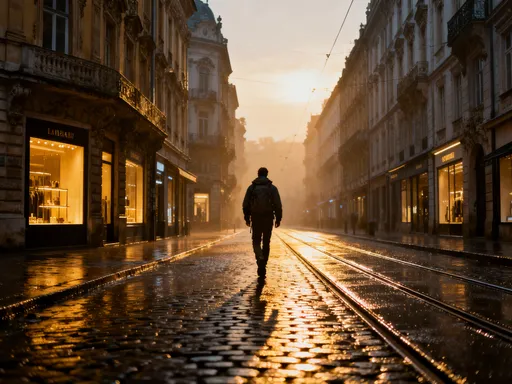
If Galleria Subalpina is the city’s elegant living room, Via Roma is its grand promenade—a sweeping avenue that embodies Turin’s dual identity as both a royal capital and a modern metropolis. Lined with chestnut trees and flanked by neoclassical buildings, this broad street stretches from Piazza Castello toward Porta Nuova, offering a perfectly balanced shopping journey. International fashion houses like Gucci, Prada, and Louis Vuitton occupy prominent positions, their storefronts blending seamlessly with Italian brands such as Max Mara and Liu Jo. Yet even amidst these global names, the street maintains a distinctly local character, thanks to its architectural harmony and the presence of smaller, family-owned businesses tucked between the boutiques.
What makes Via Roma exceptional is not just the range of offerings, but the way the space is designed for pleasure. The wide sidewalks invite leisurely strolling, allowing shoppers to pause, admire window displays, or simply enjoy the rhythm of the city. Unlike the cramped streets of older European centers, Via Roma was conceived in the 19th century as a modern urban artery, and its proportions reflect a vision of dignity and accessibility. Even on busy days, the flow of foot traffic feels orderly, unhurried—more like a passeggiata than a shopping rush.
While luxury draws many visitors, Via Roma also caters to practical needs. Department stores like La Rinascente offer curated selections of fashion, home goods, and beauty products, making it a one-stop destination for both tourists and locals. Mid-range brands like Zara, Massimo Dutti, and Calzedonia provide affordable options without compromising on style, ensuring that the street remains inclusive. This balance between prestige and practicality is a hallmark of Turin’s approach to retail: elegance is not reserved for the few, but woven into the everyday.
Seasonal events further enhance the street’s appeal. During the holiday months, Via Roma is illuminated with elaborate light displays, transforming it into a glittering corridor of warmth and celebration. In spring and summer, outdoor markets occasionally pop up along the sidewalks, offering handmade crafts, local honey, and artisanal soaps. These temporary additions remind visitors that shopping in Turin is not confined to permanent storefronts—it’s a dynamic, evolving experience that responds to the rhythms of the year and the community it serves.
Hidden Ateliers & Local Designers in San Salvario
Just a short walk from the polished avenues of central Turin lies San Salvario, a neighborhood that pulses with creative energy and independent spirit. Once a working-class district, it has evolved into a hub for artists, designers, and young entrepreneurs who value authenticity over polish. Here, shopping takes on a different character—one defined by discovery, conversation, and the thrill of finding something truly unique. Narrow streets lined with street art, cozy wine bars, and multicultural restaurants set the stage for a retail scene that is experimental, personal, and deeply rooted in craftsmanship.
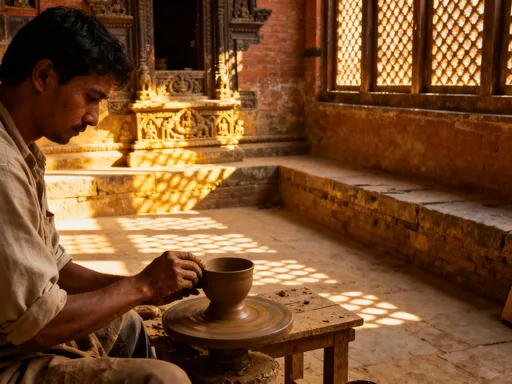
The heart of San Salvario’s shopping culture lies in its hidden ateliers—small workshops where designers create everything from hand-dyed scarves to custom leather bags. Many of these spaces are unmarked, accessible only by word of mouth or a curious glance through a half-open door. Inside, artisans work at wooden tables, surrounded by bolts of fabric, spools of thread, and tools worn smooth by use. These are not mass-produced goods but objects made with intention, often tailored to the customer’s preferences. A simple visit can turn into a conversation about materials, techniques, or the inspiration behind a particular piece, transforming the act of buying into a shared experience.
One might stumble upon a jewelry maker crafting delicate silver pieces inspired by Alpine flora, or a tailor restoring vintage coats with modern updates. Others specialize in upcycled fashion, turning discarded garments into statement pieces that reflect both sustainability and style. These creators are not chasing trends; they are redefining them from the ground up, often drawing on Piedmontese traditions while infusing them with contemporary sensibility. Supporting these designers means investing in slow fashion—pieces that last, that tell a story, and that carry the imprint of the maker’s hands.
For visitors, shopping in San Salvario is an invitation to slow down and look closely. It’s not about filling a suitcase but about finding one or two meaningful items that resonate. Whether it’s a hand-bound notebook, a pair of embroidered shoes, or a ceramic vase shaped in a home studio, each purchase becomes a souvenir not just of a place, but of a moment of connection. In a world of globalized retail, San Salvario offers a refreshing alternative—one where creativity thrives, and every object has a soul.
Porta Palazzo Market: A Feast for the Senses
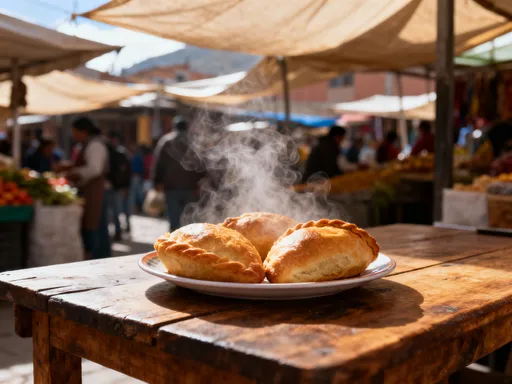
No visit to Turin is complete without a morning spent at Porta Palazzo, Europe’s largest open-air market and the beating heart of the city’s culinary life. Located just beyond Piazza della Repubblica, this sprawling bazaar stretches across several blocks, offering an astonishing variety of goods that reflect the richness of Piedmontese agriculture and tradition. From dawn until early afternoon, the market hums with activity—vendors shout prices, shoppers bargain in rapid Italian, and the air fills with the mingling scents of ripe fruit, fresh herbs, and grilled meats. This is not a market staged for tourists; it’s a vital part of daily life, where Turin’s residents come to buy, eat, and connect.
The sheer scale of Porta Palazzo can be overwhelming at first, but it rewards exploration. One section overflows with seasonal produce: plump tomatoes, fragrant basil, crisp radicchio, and mountains of white truffles during autumn. Nearby, cheese stalls display wheels of Robiola, Castelmagno, and Toma Piemontese, each with its own texture and story. Butchers offer cuts of Fassona beef, a prized local breed known for its tenderness, while fishmongers arrange gleaming trays of freshwater trout and lake fish from nearby lakes. The attention to quality is evident everywhere—vendors proudly name their farms, and many products carry PDO (Protected Designation of Origin) labels, guaranteeing authenticity.
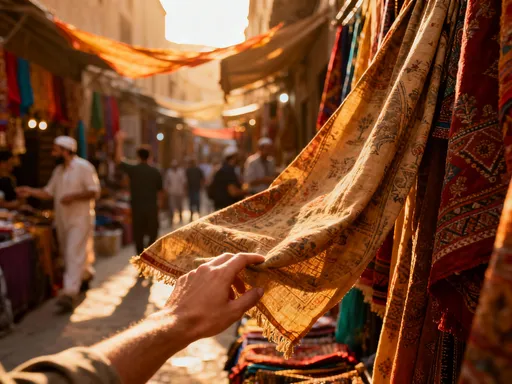
Equally captivating is the international section of the market, a testament to Turin’s growing diversity. Stalls sell spices from North Africa, halal meats, Middle Eastern pastries, and fresh injera from Ethiopia. This multicultural layer adds depth to the market’s identity, turning it into a crossroads of flavors and traditions. It’s not uncommon to hear Arabic, Romanian, or Bengali spoken alongside Italian, creating a vibrant linguistic tapestry that mirrors the city’s evolving character.
For visitors, the best time to visit is early in the morning, when the stalls are fully stocked and the light is soft. Wearing comfortable shoes is essential, as the market requires walking on uneven pavement. Bringing a reusable bag is both practical and respectful of local customs, where plastic is increasingly discouraged. While bargaining is not expected for produce, it’s acceptable for non-food items like textiles or kitchenware. Above all, the key to enjoying Porta Palazzo is to engage—to ask questions, sample offerings, and let the sensory overload become part of the experience. A paper cone of warm chestnuts, a slice of fresh ricotta on crusty bread, or a cup of strong espresso from a market kiosk can turn an ordinary morning into a memorable one.
Antique Hunting in Balon Market (Saturday Morning Ritual)
Every Saturday morning, the Crocetta neighborhood transforms into a treasure hunter’s paradise as the Balon Market takes over the streets around Piazza della Repubblica. Officially known as the Mercatino di Porta Palazzo but affectionately called “Balon” by locals (a nod to its 19th-century origins as a ball game field), this flea market is one of Turin’s most beloved traditions. From dawn until midday, hundreds of vendors spread out their wares on blankets and folding tables, offering an eclectic mix of vintage finds, forgotten curiosities, and secondhand gems. Unlike curated antique shops, Balon thrives on unpredictability—what you find here is as much about luck and timing as it is about taste.
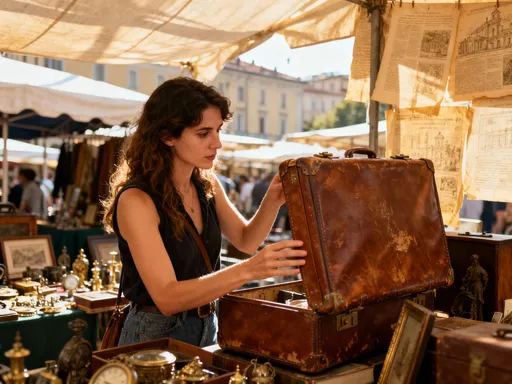
Walking through the market is like flipping through the pages of a city’s collective memory. Stalls overflow with old postcards depicting 1950s Turin, vinyl records from the 1970s, vintage cameras, and mid-century lamps with brass fittings. Book lovers can spend hours sifting through stacks of Italian literature, philosophy texts, and illustrated children’s books. Collectors might discover rare stamps, antique watches, or porcelain figurines in surprisingly good condition. Even those who aren’t looking for anything specific find themselves drawn to the sheer variety—the way a simple brooch, a leather-bound diary, or a hand-painted tile can spark the imagination.
The charm of Balon lies not just in the objects but in the ritual of the hunt. Locals arrive early, armed with reusable bags and a keen eye for value. Cash is the preferred currency, and haggling—when done politely—is part of the culture. A vendor might lower the price of a 1960s coffee grinder from ten to eight euros if approached with a smile and genuine interest. Conversations often start over a shared appreciation for a particular item, turning transactions into brief friendships. Many vendors have been coming to Balon for decades, and their stalls reflect their personalities—some are meticulously organized, others delightfully chaotic.
For visitors, the best strategy is to come with an open mind and no fixed agenda. Wear layers—the weather can shift quickly in the mornings—and allow at least two hours to wander without rush. While some items are clearly overpriced for tourists, others represent genuine value, especially for those interested in mid-century design or vintage textiles. More than a shopping destination, Balon offers a glimpse into Turin’s soul—a city that values history, creativity, and the quiet joy of finding beauty in the unexpected.
From Chocolate to Elegance: Unique Souvenirs That Capture Turin
Leaving Turin without a souvenir would feel like missing a piece of the experience. But the best mementos here are not mass-produced trinkets; they are thoughtful, locally made objects that reflect the city’s essence. Chocolate, of course, tops the list. Turin is the birthplace of gianduja, the creamy blend of hazelnuts and chocolate that inspired Nutella, and its confectioners have elevated this treat to an art form. Shops like Guido Gobino, Peyrano, and Venchi offer exquisite boxes of pralines, chocolate-covered fruits, and delicate gianduiotti wrapped in gold foil. These are not just sweets—they are edible heirlooms, best shared with loved ones or savored slowly as a reminder of the city’s sweet legacy.
Equally meaningful are the city’s design objects and stationery. Turin has a long tradition of printing and bookbinding, and specialty shops sell handcrafted notebooks, leather journals, and engraved pens. These make for elegant gifts or personal keepsakes, especially when purchased from a small boutique in the Quadrilatero Romano. Another distinctive option is Bicerin, the city’s iconic layered drink, available in powdered form or as a recipe kit—perfect for recreating a taste of Turin at home.
For those drawn to fashion, scarves made from natural fibers and dyed with plant-based pigments offer a wearable piece of the city’s style. Jewelry inspired by Art Nouveau architecture—common in Turin thanks to designers like Pietro Fenoglio—adds a subtle nod to the city’s aesthetic heritage. Even kitchenware, such as copper pots from local artisans or hand-painted ceramics, carries a sense of place and craftsmanship.
The key to choosing a meaningful souvenir is intention. Rather than buying for the sake of having something to bring home, consider what resonates—what reflects your experience, your values, or your connection to the city. A small jar of truffle honey from Porta Palazzo, a vintage map from Balon, or a hand-stitched wallet from San Salvario becomes more than an object; it becomes a story, a memory, a tangible link to a place that welcomed you with warmth and authenticity.
Why Turin’s Shopping Tells a Deeper Story
Shopping in Turin is not merely a transaction—it is a form of cultural immersion. Every market stall, boutique, and hidden atelier offers a window into the city’s soul: its history, its craftsmanship, and its quiet pride in quality over spectacle. Unlike destinations where retail feels impersonal or overly commercialized, Turin invites engagement. It asks you to look closely, to ask questions, to appreciate the hands that made what you hold. In doing so, it transforms the simple act of buying into a meaningful exchange—one rooted in respect, curiosity, and connection.
What makes Turin exceptional is its ability to balance grandeur with humility, tradition with innovation. Whether you’re sipping espresso beneath the glass dome of Galleria Subalpina or haggling for a vintage lamp at Balon, you’re participating in a living culture of craftsmanship and community. The city does not shout its beauty; it reveals it slowly, through details—a perfectly stitched seam, a perfectly ripe peach, a perfectly timed moment of discovery.
For travelers, especially those who value authenticity and depth, Turin offers a rare gift: the chance to shop with intention. It encourages you to move beyond souvenirs and seek out objects that matter—not for their price, but for their story. In a world of fast fashion and disposable goods, this is a radical act. It is a reminder that the best things in life are not bought quickly, but found with care.
So the next time you plan a trip to Italy, consider going beyond the usual destinations. Let Turin surprise you. Walk its arcades, explore its markets, and step into its hidden workshops. Let the city reveal itself not through grand monuments, but through the small, beautiful things it makes and sells. Because in Turin, every purchase is more than a possession—it is a piece of a story waiting to be continued.