You Won’t Believe What I Found in Manila’s Hidden Markets
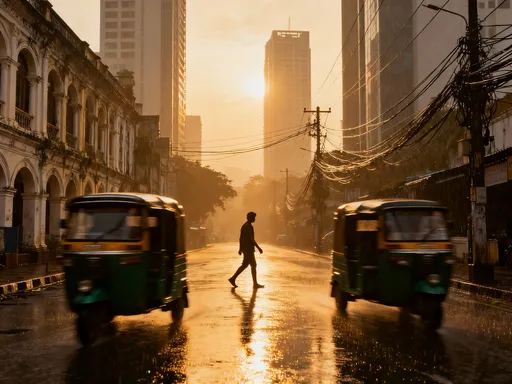
Manila isn’t just about skyscrapers and traffic—it’s a treasure hunt waiting to happen. I stumbled upon markets where the air buzzes with bargaining, colors explode from textiles, and every alley holds a surprise. From vintage finds to handmade crafts, the real shopping soul of the city hides off the beaten path. This is more than retail therapy—it’s cultural immersion with a wallet-friendly twist. Every market tells a story, not just of goods for sale, but of generations of artisans, entrepreneurs, and families who keep traditions alive through trade. In a city that never stops moving, these spaces offer moments of connection, discovery, and delight. Whether you’re drawn by the scent of sizzling street food or the glint of hand-carved jewelry, Manila’s markets invite you to slow down, look closely, and see the city through the eyes of those who know it best.
The Pulse of Manila: Why Shopping Here Feels Like Discovery
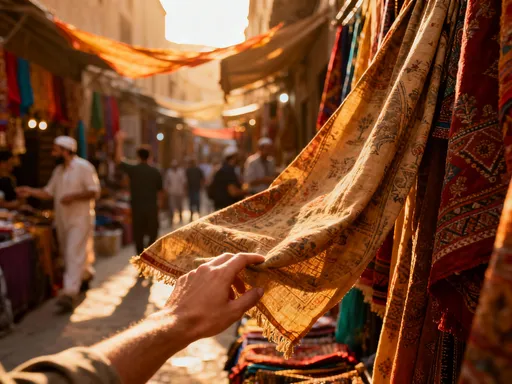
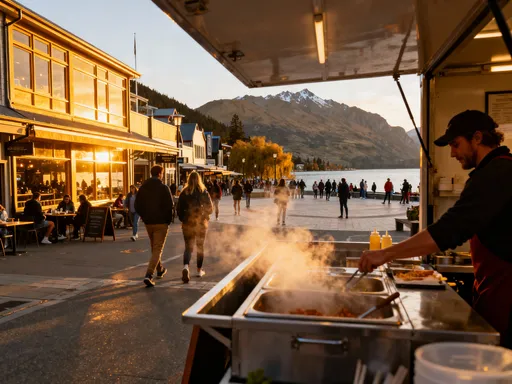
Shopping in Manila is not a transaction—it’s an experience woven into the rhythm of daily life. Unlike the sterile predictability of air-conditioned malls, the city’s markets pulse with energy, color, and human connection. From dawn until dusk, vendors unfold their wares on sidewalks, hang garments from bamboo poles, and arrange pyramids of tropical fruit under faded umbrellas. The atmosphere is alive: the sizzle of grilling meat, the rhythmic call of hawkers, the scent of jasmine garlands mingling with diesel fumes. This sensory richness transforms every visit into an exploration, where even the most casual stroll can lead to unexpected discoveries.
What sets Manila’s shopping culture apart is its deep roots in community and resilience. Many of these markets have existed for decades, evolving alongside the city’s changing landscape. They are not curated for tourists but shaped by the needs of locals—families buying ingredients for dinner, students hunting for affordable clothes, elders seeking herbal remedies passed down through generations. This authenticity creates a rare kind of intimacy. A simple exchange—handing over a few coins for a hand-woven basket—becomes a quiet acknowledgment of shared humanity.
Moreover, these markets reflect the Filipino value of *bayanihan*, the spirit of communal unity. Vendors often work in clusters, supporting one another during slow days or helping customers navigate the maze of stalls. In Quiapo, for instance, one vendor might direct you to a better deal two alleys over, not out of competition, but because they know the buyer will return the favor. This culture of mutual aid makes shopping feel less like commerce and more like participation in a living tradition. For visitors, it offers a rare window into the heart of Manila—one that no glossy brochure can fully capture.
Quiapo Market: Chaos with Character
At the center of Manila’s market universe lies Quiapo, a sprawling, chaotic, and utterly captivating bazaar that has drawn crowds for over a century. Located near the historic Quiapo Church, this market is a sensory overload in the best possible way. Narrow alleys snake between towering stacks of goods—DVDs, phone chargers, secondhand books, religious statues, herbal potions, and plastic toys—each stall vying for attention with bold signage and enthusiastic vendors. The air hums with the chatter of bargaining, the clatter of carts, and the occasional burst of devotional music from nearby speakers.
Quiapo is not just a place to shop; it’s a cultural crossroads. Devotees flock to the church to pray before the Black Nazarene, then spill into the market for souvenirs, snacks, and blessings in the form of amulets or blessed candles. Herbalists sit beside electronics sellers, offering roots and leaves believed to cure everything from insomnia to heartbreak. These traditional healers, known as *herbolarios*, represent a strand of Filipino folk medicine that persists despite modernization. While visitors should approach such remedies with curiosity rather than expectation, their presence underscores the market’s role as a keeper of heritage.
For first-time visitors, Quiapo can be overwhelming. Crowds are dense, navigation is challenging, and pickpocketing is a known risk. However, with basic precautions, the experience is safe and deeply rewarding. It’s advisable to carry only essential cash, keep valuables out of sight, and avoid flashy jewelry or phones. Bargaining is expected but should be done with respect—Filipinos appreciate a smile and a light tone more than aggressive haggling. Even if you don’t intend to buy, wandering through Quiapo is worthwhile. Watching a vendor expertly fold a handkerchief into a tiny bundle or listening to the rhythmic chant of a *taho* (sweet tofu) seller offers a glimpse into the poetry of everyday commerce.
Salcedo Saturday Market: Where Locals Eat and Shop
Every Saturday morning, the streets of Salcedo Village in Makati transform into a vibrant community market that feels worlds away from the city’s usual hustle. Closed to vehicles, the space becomes a pedestrian-friendly haven of artisanal food, handmade crafts, and live acoustic music. Unlike the frenetic pace of Quiapo, Salcedo Market moves at a relaxed tempo, inviting visitors to linger, taste, and connect. The atmosphere is festive yet intimate, drawing families, expats, and young professionals seeking quality goods and a sense of belonging.
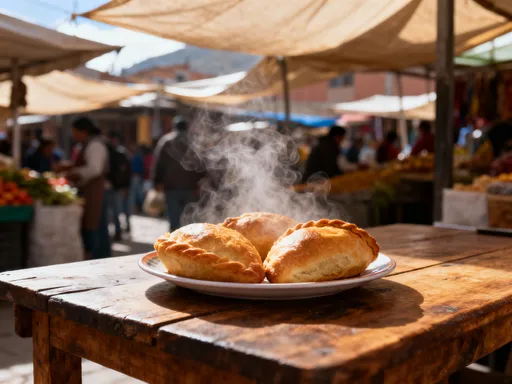
The market is renowned for its gourmet street food, much of it made from organic or locally sourced ingredients. Stalls offer everything from heirloom rice pancakes and coconut milk-based desserts to wood-fired pizzas and cold-pressed juices. One popular vendor serves *kare-kare empanadas*—a creative twist on the classic oxtail stew, wrapped in flaky pastry. Another specializes in artisanal coffee, roasting beans in small batches and brewing them with precision. These culinary innovations reflect a growing movement toward sustainable and health-conscious eating in urban Philippines.
Beyond food, Salcedo Market supports a network of small entrepreneurs, particularly women and independent designers. Handmade soaps infused with calamansi and lavender, woven bags made from recycled materials, and minimalist jewelry crafted from capiz shells are just a few examples of the goods on display. Many stall owners are happy to share the stories behind their products—how a grandmother’s recipe inspired a new line of jams, or how a college hobby turned into a full-time business. This transparency fosters trust and connection, turning customers into loyal supporters.
Visitors are encouraged to come early, between 7:00 and 9:00 a.m., when the selection is freshest and the crowd is manageable. Cash is still the primary payment method, though some vendors now accept mobile payments. Engaging with sellers—asking about ingredients, complimenting a design, or simply smiling—goes a long way. In a city where fast-paced living can feel isolating, Salcedo Market offers a reminder that commerce can be kind, creative, and community-driven.
Greenhills Shopping Center: The Pearl of Bargain Hunters
For decades, Greenhills Shopping Center in San Juan has held legendary status among bargain hunters and curious explorers. Opened in the 1970s, it was once the premier shopping destination in Metro Manila and remains a favorite for those seeking value, variety, and a touch of nostalgia. While newer malls have risen around it, Greenhills retains a unique charm—its corridors are crowded, its signage is colorful and chaotic, and its energy is unmistakably local. This is not a place for luxury brands or polished service, but for real deals and authentic encounters.
The mall is best known for three things: cheap electronics, *ukay-ukay* (secondhand imported clothing), and gemstones. The ground floor is a labyrinth of small stalls selling phone cases, chargers, headphones, and refurbished gadgets at prices far below retail. Bargaining is standard, and savvy shoppers can walk away with high-quality items at a fraction of the cost. The *ukay-ukay* section, often located on upper floors, draws fashion-savvy locals and expats looking for vintage jeans, designer labels, and unique pieces at rock-bottom prices. Items are sorted by size and type, making it easier to navigate, though patience is required.
But perhaps the most surprising attraction is the gemstone and jewelry section. Small booths display raw crystals, polished stones, and handcrafted rings and necklaces. Vendors speak knowledgeably about amethyst, citrine, and jade, often sharing stories about the origins of their materials. While not all claims can be verified, many visitors enjoy the experience of selecting a personal talisman or gift. For added authenticity, some opt to have a piece custom-made on the spot, watching as a jeweler sets a stone into a simple band.
Greenhills also embodies the Filipino practice of *tingi*—buying in small, affordable quantities. You can purchase a single battery, a meter of ribbon, or a spoonful of loose tea. This culture of micro-consumption makes shopping accessible to low-income families and reflects a resourceful approach to daily life. Whether you’re hunting for a rare electronic part or just soaking in the atmosphere, Greenhills offers a window into the practical, inventive spirit of Manila’s shoppers.
Design Districts & Pop-Ups: Manila’s Creative Underground
Amid the city’s commercial sprawl, a quiet revolution is unfolding in the form of design districts and pop-up markets. These spaces provide a platform for independent Filipino creators to showcase work that blends tradition with contemporary aesthetics. Unlike mass-produced mall goods, these items tell stories—of ancestral weaving techniques, regional motifs, and sustainable practices. They are not just products but expressions of identity and pride.
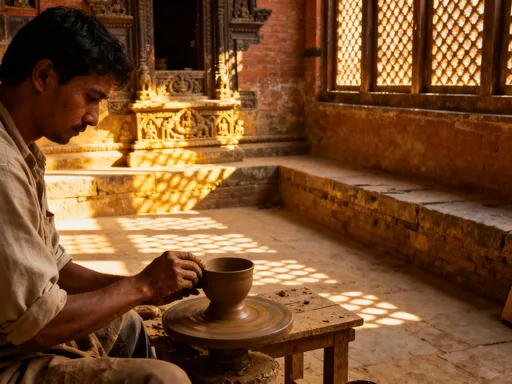
One such hub is Lio, a curated marketplace in Bonifacio Global City that features rotating collections from local designers. Here, you’ll find hand-thrown ceramics glazed with earthy tones, linen dresses embroidered with indigenous patterns, and notebooks wrapped in *piña* cloth—a delicate fabric made from pineapple fibers. The space is calm and thoughtfully arranged, encouraging visitors to touch, examine, and appreciate the craftsmanship. Staff often include the makers themselves, ready to explain their process and inspiration.
Another rising favorite is the Pop-up Project, a traveling market that sets up in different neighborhoods each month. It focuses on emerging brands, many founded by young women or social enterprises. Products range from organic skincare made with virgin coconut oil to upcycled bags crafted from discarded billboard tarps. These events often include workshops—such as natural dyeing or zero-waste cooking—fostering deeper engagement between creators and consumers.
What makes these spaces special is their emphasis on intentionality. They are not about impulse buys but meaningful purchases. A woven tote from a Palawan-based cooperative, for example, supports indigenous artisans and helps preserve a vanishing craft. A bottle of hand-poured soy candle funds a rehabilitation program for former street youth. By shopping here, visitors contribute to a more equitable and sustainable economy. For those seeking gifts with depth or simply a break from commercialism, these creative enclaves offer inspiration and hope.
Mall Culture Done Right: Ayala Malls and Beyond
To understand Manila’s shopping landscape fully, one must acknowledge the role of its world-class malls. Far from being mere consumer temples, these complexes function as integrated lifestyle hubs that respond to the city’s climate, traffic challenges, and social needs. Ayala Malls—such as Glorietta, Greenbelt, and Alabang Town Center—are leaders in design, accessibility, and customer experience. They are not escapes from reality but enhancements of it, offering comfort, convenience, and culture in one place.
Glorietta, located in the heart of Makati, exemplifies this approach. Its interconnected buildings house everything from international fashion brands to local boutiques, gourmet restaurants to casual food courts. What sets it apart is its attention to detail: shaded outdoor plazas for al fresco dining, nursing rooms for mothers, prayer rooms for Muslim visitors, and art installations that rotate monthly. These features make the mall inclusive and welcoming to all.
Similarly, SM Megamall in Ortigas is one of the largest in Southeast Asia, yet it manages to feel navigable thanks to clear signage, efficient escalator systems, and a central concourse that hosts seasonal events. During holidays, it transforms with themed decorations, live performances, and family-friendly activities. These malls also serve as transportation nodes, connected to MRT stations, bus stops, and Grab pickup points, reducing the need for private cars.
Crucially, modern malls in Manila are investing in sustainability. Many have adopted energy-efficient lighting, waste segregation programs, and partnerships with local farmers to source fresh produce for their supermarkets. Some even host weekend markets featuring organic goods and handmade crafts, bridging the gap between high-end retail and grassroots entrepreneurship. For visitors, these malls offer a comfortable base from which to explore—complete with rest areas, free Wi-Fi, and tourist assistance desks. They are not replacements for street markets but complements, each serving a different need in the urban fabric.
Smart Shopping: How to Navigate Like a Local
To make the most of Manila’s diverse shopping scene, a bit of preparation goes a long way. Transportation is key: while ride-hailing apps like Grab are reliable and affordable, using public transit such as the MRT or jeepneys can deepen the experience. The MRT is efficient for crossing major business districts, while jeepneys—colorful, decorated minibuses—offer a cultural ride, albeit with less predictability. Always carry small bills, as drivers rarely have change for large denominations.
When it comes to payment, cash still reigns in markets and small stalls. While digital wallets like GCash are gaining popularity, not all vendors accept them, especially in older areas like Quiapo or Divisoria. ATMs are widely available, but it’s wise to withdraw in advance to avoid long lines. Keep money in a secure pouch or inner pocket, and avoid flashing it openly.
Bargaining is expected in wet markets, bazaars, and flea markets but not in malls or fixed-price stores. Start by offering 50% of the quoted price, then meet somewhere in the middle. A friendly tone and a smile are more effective than aggressive haggling. Remember, many vendors are supporting families—getting a good deal doesn’t mean devaluing their work.
Language can be a bridge. While English is widely spoken, learning a few Tagalog phrases—like *magkano ito?* (how much is this?) or *salamat* (thank you)—shows respect and often leads to better interactions. Dress comfortably but modestly, wear breathable clothing, and bring a reusable bag for purchases. Avoid visiting markets during peak lunch hours or rainy days, when flooding can occur in low-lying areas. Early mornings are ideal for freshness and fewer crowds.
Finally, go with an open mind. Some stalls may not have exactly what you’re looking for, but they might offer something better—a hand-painted fan, a jar of homemade *bagoong* (fermented shrimp paste), or a conversation that lingers longer than the purchase. Shopping in Manila is not about checking items off a list but about embracing the unexpected.
Conclusion: More Than Just a Purchase
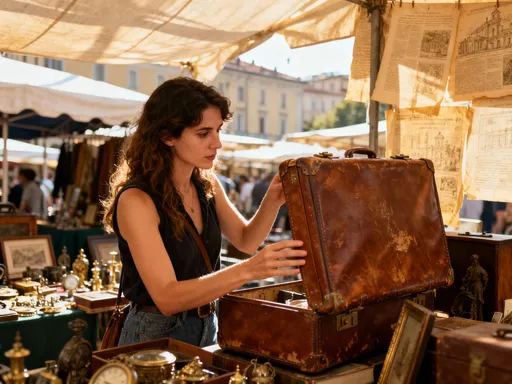
Manila’s markets are not just places to buy things—they are living archives of culture, resilience, and creativity. Each stall, each vendor, each handcrafted item carries a story shaped by history, family, and place. Whether you’re sipping turmeric-laced coffee at Salcedo Market or haggling over a vintage leather bag in Greenhills, you’re not just spending money—you’re participating in a network of human connection.
These spaces reveal the heart of the city: resourceful, warm, and endlessly inventive. They remind us that shopping, at its best, is not consumption but conversation. It’s a chance to listen, to learn, and to leave with more than just a bag of goods. The real treasures aren’t always the most expensive or the rarest—they’re the moments of understanding, the shared laughter, the quiet nod of appreciation between strangers.
For travelers, the invitation is clear: explore with curiosity, shop with respect, and see each purchase as a bridge. Manila’s markets don’t just sell souvenirs—they offer stories worth carrying home. In a world that often feels disconnected, they stand as proof that even in the busiest city, humanity still finds ways to meet, trade, and thrive. So take your time. Wander the alleys. Let the city surprise you. Because in Manila, the best finds aren’t just in the stalls—they’re in the experience itself.