You Won’t Believe These Rotorua Buildings – Honestly, So Unique
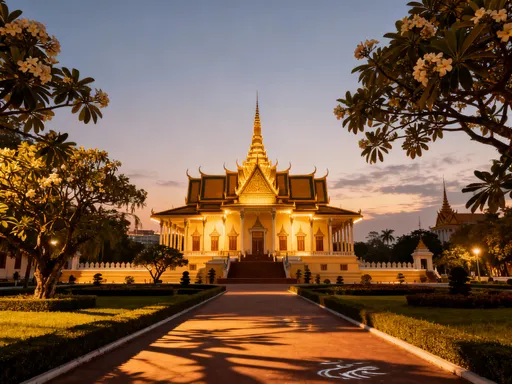
When I first arrived in Rotorua, I expected geysers and hot springs—totally normal, right? But what actually blew my mind was the architecture. It’s not just about wood carvings or Māori meeting houses (though those are stunning). It’s how old traditions blend with modern design in everyday buildings. From cultural centers to public restrooms, everything feels intentional. If you're going to Rotorua, don’t just chase the steam—look up, look around. The real story is written in the structures.
First Impressions: When Steam Isn’t the Star
Stepping off the shuttle into Rotorua’s warm, sulfur-scented air, most visitors immediately turn their eyes toward the sky, scanning for plumes of steam rising from the earth. It’s natural—the geothermal activity here is one of New Zealand’s most iconic natural displays. But within minutes of walking through the town center, something else begins to draw attention: the buildings. Unlike other tourist towns where function often trumps form, Rotorua’s architecture stands out not for its grandeur, but for its thoughtfulness. The blend of natural materials, cultural motifs, and contemporary lines creates a visual rhythm that feels both familiar and unexpected.
What makes this impression so striking is the contrast. While the geysers and mud pools are dramatic, they are also unpredictable and transient. The architecture, on the other hand, is steady, deliberate, and deeply rooted. It speaks of continuity—of a community that honors its past while embracing the present. Even the most modest structures, like bus stops or small retail kiosks, carry design elements that nod to Māori craftsmanship. This isn’t decoration for tourists; it’s identity expressed through form. The message is clear: this is Māori land, and the built environment reflects that truth in every beam, carving, and layout.
The initial surprise many visitors feel—architecture stealing the spotlight from nature—quickly gives way to appreciation. There’s a sense that Rotorua doesn’t just showcase culture; it lives it. The buildings are not museum pieces frozen in time, but living, evolving expressions of a people deeply connected to their land and history. This realization shifts the entire experience of the town. Instead of moving from attraction to attraction, travelers begin to see the whole city as a cultural landscape, where every structure contributes to a larger narrative.
Māori Architecture Meets Modern Design
To understand Rotorua’s architectural uniqueness, one must first understand the foundations of traditional Māori design. The wharenui, or meeting house, is more than a building—it is a physical embodiment of ancestry, community, and spiritual belief. Its structure is symbolic: the roof represents the sky father, Ranginui, while the floor is the earth mother, Papatūānuku. The central ridgepole, or tāhuhu, traces the lineage of the tribe, with carved ancestors along the walls standing as guardians of history and identity. Woven wall panels, known as tukutuku, often feature geometric patterns that encode tribal stories, while the koru, a spiral shape based on the unfurling fern frond, symbolizes growth, harmony, and new life.
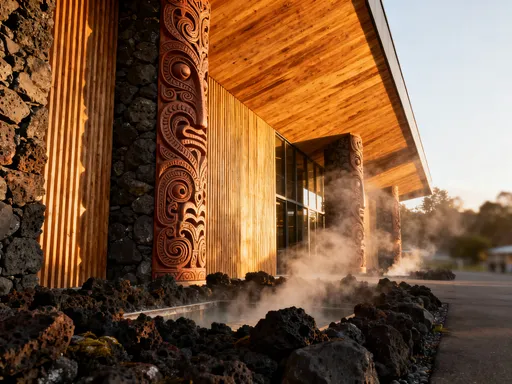
In Rotorua, these elements are not confined to ceremonial spaces. They have been thoughtfully integrated into modern civic architecture, creating buildings that are both functional and culturally resonant. A prime example is the Te Puia Visitor Centre, located within the Whakarewarewa Thermal Valley. Here, contemporary materials like glass and steel are combined with traditional craftsmanship. The sweeping roofline echoes the shape of a wharenui, while the use of native timber and carved pou (posts) grounds the structure in Māori tradition. Even the orientation of the building considers cultural protocols, ensuring that visitors approach with respect and awareness.
Another standout is the Rotorua Museum, housed in the historic Bath House building. Originally constructed in the early 20th century as a spa for visitors seeking therapeutic hot spring treatments, the building has been reimagined with Māori design principles. Renovations included the addition of carved entryways, culturally significant artwork, and interior layouts that reflect the concept of manaakitanga—hospitality and care for others. The result is a space that honors both its colonial past and its deeper indigenous roots, creating a layered narrative that enriches the visitor experience.
The Story Behind the Structures
In Māori culture, architecture is never merely functional. Every element of a building carries meaning, and the design process itself is an act of storytelling. This worldview is rooted in the concept of *whakapapa*, the interconnectedness of all things through genealogy. Just as people are linked to their ancestors, so too are buildings linked to the land, the tribe, and the spiritual world. A wharenui is not just a meeting place—it is an ancestor in its own right, with the front barge board representing the arms outstretched in welcome, the carved figures the forebears watching over the living.
This philosophy extends to modern buildings in Rotorua. When architects incorporate traditional patterns, materials, or spatial arrangements, they are not simply referencing the past—they are continuing a living tradition. The placement of a carved pou at an entrance isn’t just aesthetic; it serves as a guardian, a marker of identity, and a reminder of who belongs here. The use of natural light, the flow of space, and even the acoustics of a room are considered in relation to cultural values. For instance, open, circular layouts encourage equal participation, reflecting the Māori emphasis on community and consensus.
Understanding this depth transforms how one experiences the architecture. A visitor might initially admire the craftsmanship of a carved beam, but learning that it represents a specific ancestor or tribal migration adds emotional weight. The building becomes a vessel of memory, a place where history is not read but felt. This is why guided tours at places like Te Puia or the Tamaki Māori Village are so powerful—they bridge the gap between seeing and understanding, allowing travelers to appreciate not just the beauty of the structures, but their significance.
Public Spaces That Feel Personal
One of Rotorua’s quiet triumphs is how seamlessly cultural design is woven into everyday public spaces. Unlike cities where civic architecture feels impersonal or bureaucratic, Rotorua’s libraries, community centers, and council buildings carry the same level of intentionality as its major tourist sites. The Rotorua City Library, for example, features a welcoming entrance framed by carved pou and a ceiling patterned with koru motifs. Inside, the layout encourages gathering and conversation, reflecting the Māori value of whanaungatanga—relationship and connection.
These spaces are not designed to impress, but to belong. The use of local materials—such as kauri and tōtara wood, and stone quarried from nearby volcanic formations—grounds the buildings in their environment. This creates a sense of continuity between the natural and built landscapes, reinforcing the idea that people are part of the land, not separate from it. Even the color palettes often mirror the surrounding terrain: earthy browns, warm reds, and deep greens that echo the forest, soil, and geothermal pools.
For residents, these spaces foster a deep sense of pride and identity. A child walking into the library sees carvings that reflect their heritage; a community meeting in a local hall takes place within a space designed to honor collective decision-making. This architectural consistency sends a powerful message: culture is not something reserved for ceremonies or tourist performances—it is lived daily, in the places where people work, learn, and gather. It’s a model of cultural sustainability that other communities could learn from, where identity is not preserved behind glass but expressed in the fabric of everyday life.
Tourist Spots with Thoughtful Design
Rotorua’s most popular attractions demonstrate how tourism and respect for culture and nature can coexist. Nowhere is this more evident than at Waimangu Volcanic Valley, the world’s youngest geothermal system, formed after the 1886 Mount Tarawera eruption. The visitor facilities here are a masterclass in eco-conscious design. Walkways are elevated to protect fragile geothermal features, and viewing platforms are positioned to minimize visual impact. The visitor center itself is low-profile, with a green roof that blends into the surrounding hills and large windows that frame the landscape like living paintings.
What sets Waimangu apart is its restraint. Unlike some tourist destinations that overwhelm with signage, gift shops, and loud attractions, Waimangu allows the natural environment to speak for itself. The architecture supports, rather than competes with, the landscape. Interpretive panels are minimal and informative, using both English and te reo Māori, and guided tours emphasize the cultural and ecological significance of the area. Visitors learn not just about geothermal science, but about the Māori stories associated with the land—the legends of spirits, ancestors, and natural guardians.
This approach contrasts sharply with poorly designed tourist sites elsewhere, where cookie-cutter buildings, excessive lighting, and intrusive infrastructure can diminish the experience. In Rotorua, even high-traffic areas like the Government Gardens or the Polynesian Spa maintain a sense of harmony. Buildings are scaled to human size, materials are natural, and the flow of movement encourages contemplation rather than haste. The result is a tourism model that feels sustainable, respectful, and deeply immersive—a place where visitors leave not just with photos, but with understanding.
Everyday Buildings with Unexpected Character
Perhaps the most delightful aspect of Rotorua’s architecture is how even the smallest, most utilitarian structures are treated with care. Bus shelters along Fenton Street feature carved wooden roofs and tukutuku-inspired lattice panels. Public toilets near the lakefront are clad in warm timber and topped with gently curved roofs that echo the shape of a wharenui. Even a simple information kiosk might include a small carved figure or a roofline that mimics traditional forms.
These details could easily have been overlooked. After all, no one expects a bus stop to be a work of art. But in Rotorua, they reflect a broader philosophy: that every part of the urban environment matters. When a city invests in the design of its most minor structures, it signals that it values its visitors, its residents, and its culture equally. There’s a quiet pride in these choices—a refusal to settle for the generic or the temporary.
For travelers, these small moments of beauty add up. They create a sense of coherence and warmth that larger attractions alone cannot provide. Walking through Rotorua feels like moving through a place that knows who it is and isn’t afraid to show it. This attention to detail also encourages slower, more mindful travel. Instead of rushing from one landmark to the next, visitors find themselves pausing to admire a carved post, noticing the grain of the wood, or reading the story behind a pattern. In a world of fast tourism, Rotorua offers a different pace—one that values depth over speed.
How to Truly See Rotorua’s Architecture (Even on a Short Trip)
For those with limited time, experiencing Rotorua’s architectural richness doesn’t require a full week. A well-planned half-day walk can reveal much. Begin at the Rotorua Lakefront, where the path offers views of both the water and the thoughtfully designed buildings along the shore. Walk toward the Government Gardens, paying attention to the blend of Edwardian and Māori design in the Bath House and Blue Baths. Continue to the Rotorua Museum, taking time to study the carvings and the way light enters the interior spaces.
From there, head to Te Puia, where a visit includes both geothermal wonders and deep cultural insights. Book a guided tour to understand the meaning behind the carvings and the layout of the marae. If time allows, explore the surrounding Whakarewarewa village, where geothermal activity and daily life coexist. Notice how homes and community buildings incorporate traditional elements in practical ways—steam vents used for cooking, wooden structures elevated to protect against heat.
Mornings and late afternoons offer the best light for photography and fewer crowds, allowing for quieter reflection. Wear comfortable shoes, carry water, and don’t rush. Bring a small notebook to sketch details or jot down observations. Consider downloading an audio tour or using a local guide app that highlights architectural features. Most importantly, look beyond the obvious. While the steam and bubbling mud are captivating, the real soul of Rotorua is in the lines of its roofs, the grain of its wood, and the stories carved into its walls.
Conclusion: Buildings That Breathe Culture
Rotorua is often marketed for its geothermal wonders, and rightly so. But to visit and only see the steam is to miss half the story. The town’s architecture—ranging from grand cultural centers to humble bus shelters—reveals a community that values identity, continuity, and beauty in equal measure. These buildings are not static monuments; they are living expressions of a culture that has adapted, endured, and flourished.
What makes Rotorua’s architectural journey so powerful is its authenticity. This is not theme-park culture, constructed for show. Every carved pou, every woven panel, every thoughtfully placed window reflects generations of knowledge, pride, and care. The integration of traditional Māori design into modern civic life is a quiet act of preservation—one that ensures culture remains relevant, visible, and respected.
To travelers, the invitation is clear: slow down, look closely, and let the structures speak. In a world where so many destinations blur together, Rotorua stands apart—not because of its natural wonders alone, but because its buildings breathe culture. They remind us that places have souls, and that the way we build reflects who we are. So on your next visit, don’t just chase the steam. Look up. Look around. The real magic is written in the walls.