This Is Why Arequipa’s Wild Side Steals Every Photographer’s Heart
Nestled beneath snow-capped volcanoes and carved by ancient rivers, Arequipa, Peru, is a paradise for anyone who loves raw, untamed nature—and capturing it through a lens. I didn’t expect to be so moved by landscapes alone, but here, every sunrise paints new fire across the canyon walls, and every high-altitude trail reveals another world. If you’re chasing dramatic natural beauty with a camera in hand, this is one destination that delivers, quietly and powerfully.
A City Framed by Fire: Introducing Arequipa’s Volcanic Backdrop
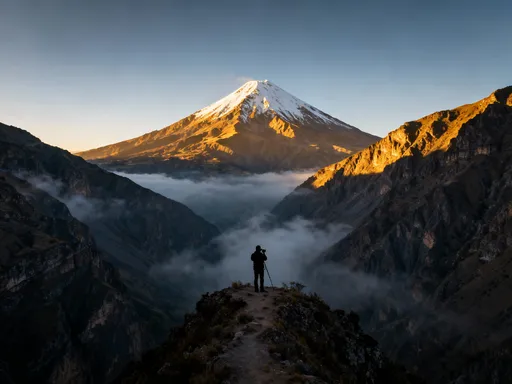
Arequipa is not just a city of colonial charm and white stone buildings—it is a city born of fire. Surrounded by three majestic volcanic peaks—Misti, Chachani, and Pichu Pichu—the urban landscape rises directly from an ancient tectonic battleground. Misti, an active stratovolcano standing at 5,822 meters, looms just 17 kilometers northeast of the city center, a constant presence in the skyline. Chachani, slightly taller at 6,075 meters, is technically dormant, its snow-dusted flanks glowing rose-gold at dawn. These geological titans are not merely scenic backdrops; they are active forces that have shaped the region’s topography, soil composition, and even its architecture. The city’s iconic buildings, constructed from sillar—a soft white volcanic rock—blend seamlessly into the surrounding terrain, creating a visual harmony between human creation and natural formation.
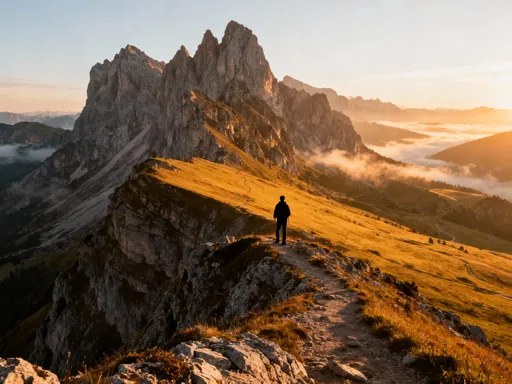
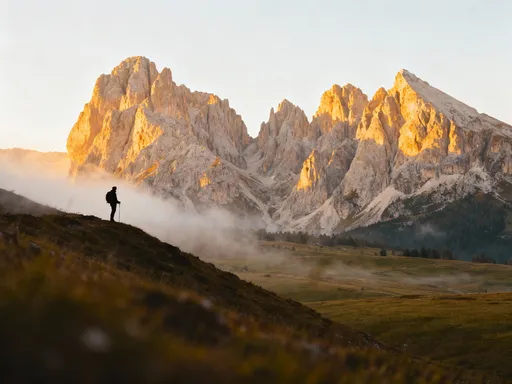
For photographers, this volcanic setting offers unparalleled opportunities for dramatic composition. The interplay between light and shadow across the rugged slopes creates depth and texture in every frame. At golden hour, when the sun skims the horizon, the entire city appears bathed in warm amber light, with Misti’s peak catching the last rays like a torch. Wide-angle lenses capture sweeping panoramas that include both urban and alpine elements, while telephoto shots can isolate the contrast between the delicate lacework of colonial balconies and the raw power of the mountains behind them. Silhouettes of locals walking along ridgelines at sunset add human scale to an otherwise overwhelming landscape.
Understanding the volcanic context also enhances storytelling through photography. Images of farmers tending crops in high-altitude fields take on new meaning when viewers know the soil is enriched by millennia of volcanic ash. A photograph of a child playing near a stone wall built from sillar becomes more than a candid moment—it becomes a testament to resilience and adaptation. The geology of Arequipa doesn’t just shape the land; it shapes the lives lived upon it, offering photographers a rich narrative layer beneath the surface beauty.
Canyon Dreams: Exploring the Colca Valley’s Photographic Goldmine
Just a three-hour drive from Arequipa lies one of the most breathtaking natural wonders in South America: the Colca Canyon. Carved over millions of years by the Colca River, this immense geological fissure plunges to depths of over 3,270 meters—more than twice as deep as the Grand Canyon. Its terraced cliffs, shaped by pre-Incan agricultural engineering, rise in dramatic layers, revealing centuries of human ingenuity harmonized with nature. The canyon is not only a visual marvel but a living cultural landscape where indigenous communities continue traditional farming practices on steep slopes using ancient irrigation systems.
For photographers, the Colca Canyon is nothing short of a dream. The most iconic vantage point, Cruz del Cóndor, offers a front-row seat to one of nature’s most awe-inspiring spectacles: the flight of the Andean condor. These massive birds, with wingspans reaching up to 3.3 meters, ride thermal currents along the canyon walls at sunrise, their dark silhouettes cutting across the glowing cliffs. Capturing them in flight requires patience and preparation. Arriving before dawn ensures the best lighting conditions and fewer crowds. Using a telephoto lens between 100mm and 400mm allows for close framing without disturbing the birds. Setting a fast shutter speed—1/1000th of a second or higher—freezes motion, while continuous autofocus tracks their erratic flight paths.
Equally compelling are the long-exposure opportunities along the canyon’s riverbanks. The Colca River, though often appearing gentle, carries glacial meltwater that churns with energy. Using a neutral density filter, photographers can slow shutter speeds to several seconds, transforming rushing water into silky ribbons that contrast with the sharp textures of surrounding rocks. These shots are particularly effective during mid-morning or late afternoon when side lighting accentuates the canyon’s layered geology. Tripods are essential here, as even the slightest movement ruins the smooth flow effect.
Responsible photography is crucial in this fragile ecosystem. Maintaining a respectful distance from wildlife, especially the condors, ensures minimal disruption to their natural behavior. Avoiding drone use near nesting areas prevents stress to the birds and complies with local regulations. By photographing with awareness and restraint, visitors contribute to the preservation of this extraordinary place while still capturing its grandeur.
Beyond the Rim: Hidden Trails and Secret Waterfalls
While the rim of the Colca Canyon draws most visitors, the true magic often lies beyond the main viewpoints. Lesser-known trails lead into hidden valleys where microclimates nurture lush vegetation and secluded waterfalls. One such destination is the Sangalle Oasis, a verdant depression at the canyon’s base, accessible via a steep descent. Once used as a rest stop for pre-Columbian traders, it now serves as a peaceful retreat for hikers and photographers seeking solitude. Surrounded by towering cliffs, the oasis features palm trees, natural pools, and a small spring-fed stream—elements that seem almost out of place in this otherwise arid landscape.
Photographing Sangalle requires a shift in perspective. The dense foliage and low light conditions call for wider apertures and higher ISO settings to maintain proper exposure. Early morning visits offer the best chance to capture mist rising from the water, creating an ethereal atmosphere perfect for soft-focus effects or macro shots of dew-covered leaves. The interplay between shadow and dappled sunlight filtering through the palms adds dimension and mood to images. Wide-angle lenses help convey the sense of enclosure, while macro photography reveals intricate details—a dragonfly perched on a reed, droplets clinging to spiderwebs, or the texture of moss on stone.
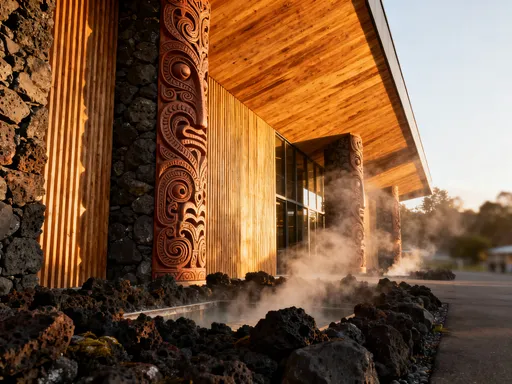
Another rewarding trail leads to La Calera hot springs, nestled along the old colonial route connecting Arequipa to the highlands. The journey itself is photogenic, winding through rocky passes and abandoned adobe structures. The springs, maintained by a local cooperative, consist of several stone-lined pools fed by geothermal water. Steam rises from the surface, especially in the cool morning air, creating natural vapor effects ideal for atmospheric photography. Capturing these scenes benefits from polarizing filters to reduce glare on wet surfaces and enhance color saturation in the mineral-rich water.
Exploring these off-the-beaten-path locations safely requires local guidance. Hiring a certified guide from Chivay or Yanque not only supports the local economy but ensures knowledge of trail conditions, water sources, and weather patterns. Guides can also point out native flora and fauna—such as the Andean fox or mountain avocet—that might otherwise go unnoticed. Their presence allows photographers to focus on composition and timing, knowing they are traveling responsibly through sensitive terrain.
Alpaca Country: Wildlife and High-Altitude Plains Photography
The high-altitude plains surrounding Arequipa are home to some of the most iconic wildlife of the Andes. In reserves like Pampa Cañahuas, part of the Arequipa Regional Conservation Area, visitors encounter herds of alpacas, llamas, and vicuñas grazing freely across vast open spaces. These camelids are not just scenic subjects; they are deeply woven into the cultural and economic fabric of Andean communities. Alpacas, domesticated for thousands of years, are prized for their soft, warm fiber. Vicuñas, once reserved for Inca royalty, roam protected areas in growing numbers thanks to conservation efforts.
Photographing these animals in their natural habitat presents unique challenges and rewards. The key is patience and stillness. Rather than chasing after herds, photographers benefit from finding a vantage point and waiting for the animals to move into frame. Natural light is the best ally—early morning and late afternoon provide soft, directional illumination that highlights the texture of their wool and the contours of their faces. Shooting from a low angle, close to the ground, creates a more intimate perspective, making the animals appear larger and more prominent against the expansive sky.
Avoiding excessive zooming preserves image quality and ethical integrity. While super-telephoto lenses can capture distant details, they often flatten the scene and remove the environmental context. Instead, using moderate focal lengths—between 50mm and 200mm—allows for more dynamic compositions that include the surrounding landscape. Capturing an alpaca with Misti in the background, for example, tells a richer story than a tightly cropped portrait alone.
Respect is paramount when photographing animals and the communities that care for them. Many herders welcome photos, especially if approached politely and with a smile. Offering a small token—such as school supplies or medical items—when visiting remote families fosters goodwill and cultural exchange. Always ask permission before photographing people, and avoid intrusive behavior. These interactions, when handled with care, can result in some of the most authentic and moving images of the journey.
Light at the Edge of the World: Sunrise and Sunset Spots You Can’t Miss
In high-altitude environments like Arequipa, light behaves differently. At over 2,300 meters above sea level, the atmosphere is thinner, allowing more direct sunlight to reach the surface. This results in heightened contrast, sharper shadows, and intensified colors—particularly during sunrise and sunset. For photographers, mastering this light is essential to capturing the region’s full visual potential. Five key vantage points offer exceptional opportunities for time-lapse sequences, HDR processing, and long-exposure techniques.
The first is Mirador de Yanahuara, a stone viewpoint just outside Arequipa city. Famous for its ornate arches framed against Misti, it provides a classic composition that changes dramatically with the time of day. At dawn, the volcano glows in alpenglow, while the city below remains in cool blue shadow. Using graduated neutral density filters helps balance the exposure between sky and land. A tripod ensures sharpness, especially when shooting bracketed exposures for HDR blending.
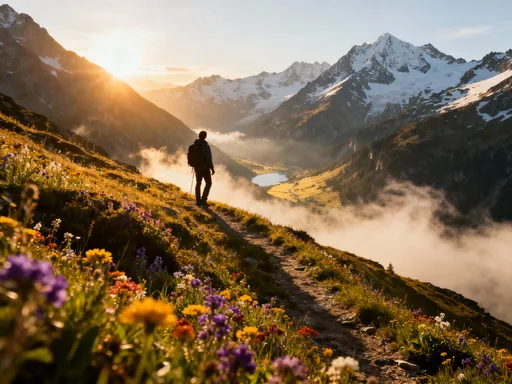
Second is the summit of Chachani, accessible via guided trek. Though strenuous due to altitude, the 360-degree panorama includes not only Arequipa and the Colca Valley but also distant peaks like Ampato and Sabancaya. Sunrise from this elevation is unforgettable—the first rays strike the highest snowfields while the lower valleys remain shrouded in mist. Time-lapse sequences here capture the slow unfurling of light across the Andes, a process that can take over an hour.
Third, the hot springs at La Calera offer a unique combination of geothermal activity and atmospheric lighting. As steam rises into the cool morning air, it diffuses sunlight into soft, glowing veils—ideal for portrait-style shots of travelers or abstract compositions. Fourth, the edge of the Colca Canyon at Sangalle provides a more enclosed but equally dramatic setting, where light filters through narrow openings in the cliffs. Finally, the plains near Pampa Cañahuas allow for wide, uninterrupted views of the horizon, perfect for capturing the full arc of the sun’s path.
Managing exposure in these conditions requires technical awareness. The high UV index increases the risk of overexposure, especially in white rock or snow-covered areas. Using lens hoods, polarizing filters, and exposure compensation can mitigate these effects. Shooting in RAW format preserves maximum data for post-processing adjustments, particularly in recovering highlight and shadow details. Understanding these tools allows photographers to translate what the eye sees into accurate, compelling images.
Through the Lens of the Locals: Cultural Meets Natural Landscape
The true soul of Arequipa’s wilderness is found not only in its geology and wildlife but in the people who live within it. Rural communities like Chivay, Yanque, and Maca maintain deep connections to the land, cultivating terraced fields, herding camelids, and preserving traditions passed down through generations. Their homes, built from local stone and roofed with clay tiles, blend into the landscape with quiet dignity. Photographing these communities offers a chance to document a way of life that remains closely attuned to seasonal rhythms and natural cycles.
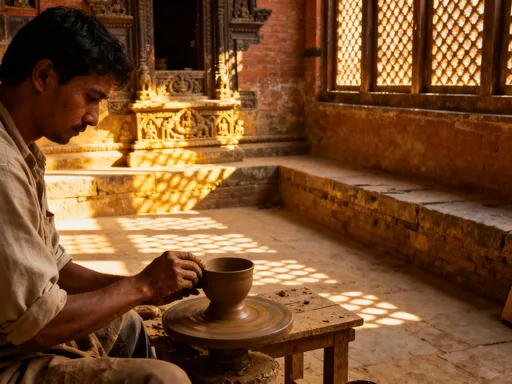
Storytelling photography in these settings demands sensitivity and intention. The goal is not to capture poverty or exoticism, but to honor dignity, resilience, and connection. Approaching farmers working in the fields requires a quiet presence—observing first, then engaging with respect. A simple greeting in Quechua or Spanish, a shared moment of silence, or a small offering of water can open the door to genuine interaction. Once trust is established, candid moments—a grandmother weaving, a child leading llamas, a farmer repairing a stone wall—become possible without intrusion.
Local festivals also reflect the intimate relationship between culture and environment. The Fiesta de la Candelaria in February, though more prominent in Puno, has echoes in Arequipa’s highland villages, where dances and processions honor the earth and祈求 good harvests. These events are not staged for tourists; they are lived experiences rooted in spiritual belief. Photographing them requires prior permission and an understanding of sacred protocols. Avoiding flash, maintaining distance during rituals, and refraining from photographing masked dancers unless explicitly allowed are essential practices.
When done ethically, cultural photography becomes a bridge between worlds. Images that show a woman spinning alpaca wool under the shadow of a volcano, or a family sharing a meal beside a stone corral, carry emotional weight and historical continuity. They remind viewers that nature and culture are not separate realms but intertwined threads in the fabric of Andean life.
Photography Prep Made Simple: Gear, Timing, and Responsible Travel
Preparing for a photographic journey to Arequipa begins with thoughtful gear selection. The region’s high altitude, fluctuating temperatures, and variable weather demand equipment that is both reliable and adaptable. A DSLR or mirrorless camera with manual controls is ideal, allowing full creative command over exposure settings. Lenses should cover a range of focal lengths: a wide-angle (16–35mm) for landscapes, a standard zoom (24–70mm) for versatility, and a telephoto (70–200mm or 100–400mm) for wildlife and distant details. Prime lenses, such as a 50mm f/1.8, excel in low-light situations and produce exceptional sharpness.
Essential accessories include at least two high-capacity memory cards, extra batteries (cold drains power quickly), and a sturdy tripod with a ball head. Filters are highly recommended: a circular polarizer reduces glare and enhances sky contrast, while neutral density filters enable long exposures in bright conditions. A lens cleaning kit is crucial—dust and fine volcanic ash can settle on glass quickly, especially on windy days. Storing gear in sealed bags when not in use helps prevent damage.
The best time to visit Arequipa for photography is during the dry season, from May to October. These months offer clear skies, minimal rainfall, and stable light conditions—ideal for both landscape and aerial shots. June and July are particularly popular due to the high likelihood of sunny days and crisp visibility. However, mornings can be very cold, especially at elevation, so dressing in layers is important. Sun protection—hat, sunglasses, and sunscreen—is non-negotiable due to the intense UV radiation at high altitudes.
Responsible travel is the foundation of sustainable photography. Following leave-no-trace principles means packing out all trash, staying on marked trails, and avoiding the picking of plants or disturbance of wildlife. Respecting private property and sacred sites ensures that photography does not become exploitation. Supporting local economies by hiring guides, buying handmade crafts, and staying in community-run lodges contributes to long-term conservation and cultural preservation. When photographers act as stewards of the places they love, their images carry not just beauty, but integrity.
Arequipa doesn’t shout for attention—it reveals itself slowly, in layers of stone, light, and sky. For photographers, it offers more than just postcard views; it invites a deeper way of seeing. When you stand at the edge of a canyon at dawn, camera in hand and breath caught in your chest, you realize this place isn’t just to be visited. It’s to be felt, framed, and remembered.