You Won’t Believe What I Found Wandering Calgary’s Wild Side
You know that feeling when you escape the city and nature just hits you? That’s exactly what happened when I started wandering around Calgary’s natural areas. I expected skyscrapers and urban vibes, but instead, I stumbled upon breathtaking trails, hidden rivers, and wild spaces that feel a world away. This isn’t just a city—it’s a gateway to the Canadian wilderness. From vast prairie parks to winding river pathways, Calgary offers an unexpected harmony between urban life and raw natural beauty. Whether you're walking through quiet aspen groves or watching the sunrise over golden grasslands, the city’s wild side invites stillness, discovery, and connection. Let me take you through the spots that left me absolutely stunned.
The Urban-Nature Paradox: Calgary’s Unique Landscape
Calgary defies the typical image of a modern Canadian city. While it boasts a vibrant downtown, contemporary shopping districts, and a growing skyline, it also maintains an extraordinary relationship with the natural world. What sets Calgary apart is its seamless integration of urban development and expansive green spaces. Unlike many metropolitan areas where nature feels like an afterthought, here it is a central feature of daily life. The city is built alongside rivers, foothills, and prairie landscapes, allowing residents and visitors alike to transition from city streets to wilderness trails in minutes. This balance is not accidental—it is the result of decades of thoughtful urban planning and environmental stewardship.
One of the most visible expressions of this balance is the Bow River pathway system. Spanning over 800 kilometers, this interconnected network of trails winds through neighborhoods, parks, and natural corridors, offering continuous access to open spaces. It serves as both a recreational resource and a vital ecological link, supporting native plant and animal species while providing a safe, car-free route for walkers, cyclists, and runners. On any given morning, you’ll see families biking to school, joggers weaving through tree-lined paths, and dog walkers pausing at river overlooks. The pathways are more than infrastructure—they are a living thread that ties the city together through nature.
Compared to other Canadian cities, Calgary’s proximity to both prairie and mountain ecosystems gives it a unique advantage. While cities like Toronto or Vancouver offer waterfront access or coastal trails, Calgary stands at the edge of two distinct biomes: the eastern grasslands and the western foothills of the Rockies. This geographical duality means that within a short drive, one can experience everything from rolling plains to alpine forests. The city’s commitment to preserving large natural areas within its boundaries—like Nose Hill and Fish Creek Provincial Park—ensures that wildness remains accessible to all, regardless of lifestyle or schedule. This urban-nature paradox is not just a feature of Calgary—it is its defining character.
Nose Hill Park: A Hidden Giant in the City
Nestled just north of downtown Calgary, Nose Hill Park is a quiet giant that many pass by without realizing its scale or significance. Covering over 1,100 hectares, it ranks among the largest urban parks in North America—larger than New York’s Central Park and comparable in size to many regional nature reserves. Yet, it remains surprisingly under the radar, offering a rare combination of solitude and accessibility. As I stepped onto one of its many trails, the city noise faded almost instantly, replaced by the rustle of native grasses and the occasional call of a meadowlark. The vastness of the open prairie stretched in every direction, dotted with rocky outcrops and clusters of juniper bushes, creating a landscape that feels ancient and untouched.
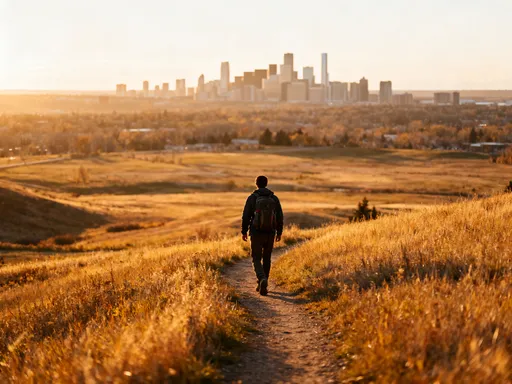
What struck me most was the panoramic view from the higher elevations. Looking south, the modern skyline of downtown Calgary rose in the distance, a sharp contrast to the wild, undulating terrain beneath my feet. This juxtaposition—where urban life and natural wilderness exist side by side—was both surreal and deeply grounding. From the top of the hill, I could see how the city had grown around the park rather than over it, a testament to long-term conservation efforts. Interpretive signs along the trails highlighted the area’s ecological importance, noting that this is one of the last remaining examples of native rough fescue grassland, a once-widespread ecosystem now endangered due to agricultural and urban development.
Wandering through Nose Hill, I encountered deer grazing in the early morning light, a red-tailed hawk circling overhead, and the subtle scent of sagebrush carried on the breeze. The trails are well-maintained but intentionally rustic, with gravel surfaces and minimal signage to preserve the sense of exploration. There are no playgrounds, no cafes, no picnic shelters—just open space and quiet. For families, this means a chance to teach children about native plants and animals; for individuals, it offers a rare opportunity to disconnect and reflect. Whether you’re walking for exercise, seeking inspiration, or simply escaping the pace of daily life, Nose Hill Park delivers a powerful reminder that nature doesn’t have to be far away to feel wild.
Fish Creek Provincial Park: More Than Just a Trail
If Nose Hill represents the prairie soul of Calgary, then Fish Creek Provincial Park embodies its forested heart. Stretching over 1,300 hectares along the southern edge of the city, this provincial park is one of the largest urban parks in Canada and a sanctuary for both people and wildlife. On a crisp autumn morning, I followed a trail that wound through a dense canopy of trembling aspen and balsam poplar, their golden leaves shimmering in the sunlight. The air was cool and carried the earthy scent of fallen leaves and damp soil. As I walked deeper into the park, the sound of traffic disappeared, replaced by the gentle murmur of Fish Creek and the occasional splash of a beaver or muskrat moving through the reeds.
Fish Creek is not just a scenic backdrop—it is a living ecosystem teeming with biodiversity. The park protects a mosaic of habitats, including wetlands, floodplain forests, and native grasslands, each supporting a unique array of species. It is common to spot white-tailed deer, coyotes, red squirrels, and a variety of birdlife, from great blue herons to northern flickers. The park is also home to several species at risk, such as the bobolink and the western painted turtle, underscoring its importance as a conservation area. Educational signage along the trails provides insight into these species and the efforts underway to protect them, making the park not only a place for recreation but also for environmental learning.
For families, Fish Creek offers an ideal setting for outdoor exploration. The network of trails ranges from easy, stroller-friendly paths to more rugged routes for experienced hikers. There are designated picnic areas, interpretive programs in the summer months, and even a nature center that hosts school groups and community events. But even without structured activities, the park invites unstructured play and discovery—children can climb on fallen logs, build cairns by the creek, or search for animal tracks in the mud. For adults, it provides a peaceful retreat, whether for a morning walk, a quiet read under the trees, or a slow meander along the water’s edge. In a world that often feels rushed and overstimulating, Fish Creek offers something rare: the chance to simply be present in nature.
The Bow River & Pathways: Calgary’s Natural Spine
Flowing through the heart of the city, the Bow River is more than a scenic feature—it is Calgary’s natural spine, connecting neighborhoods, parks, and people through a continuous ribbon of water and green space. The river and its surrounding pathway system form the backbone of the city’s active transportation network, used daily by thousands of residents for commuting, exercise, and leisure. In the early hours, the paths are lined with cyclists heading to work, runners pacing themselves along the riverbank, and dog walkers enjoying the cool morning air. As the day progresses, families arrive with strollers, kayakers launch from quiet access points, and anglers cast their lines into the flowing current.
What makes the Bow River truly special is its year-round accessibility and seasonal versatility. In the summer months, the river comes alive with paddlers in canoes, kayaks, and stand-up paddleboards, navigating its gentle currents and enjoying views of the downtown skyline framed by trees. Local outfitters offer rentals and guided tours, making water-based recreation easy for visitors and newcomers. In the winter, the river transforms once again—sections of the pathway are cleared for walking and running, while frozen tributaries and nearby ponds become popular spots for ice skating. The city maintains several outdoor rinks, including one at the Bow River Park, where families gather in the evenings to skate under the lights, wrapped in scarves and mittens.
Safety and accessibility are central to the design of the pathway system. Most trails are wide, well-lit, and regularly patrolled, making them suitable for people of all ages and abilities. Benches, water fountains, and emergency call boxes are strategically placed, and signage indicates distances, trail difficulty, and wildlife warnings when necessary. The city also provides real-time updates on trail conditions through its website and mobile apps, ensuring that users can plan their outings with confidence. For many Calgarians, these pathways are not just recreational—they are part of daily life, a way to stay active, reduce stress, and maintain a connection to nature even during the busiest weeks. The Bow River, in all its forms, remains a constant source of renewal and connection.
Escape Routes: Natural Areas Just Beyond the City
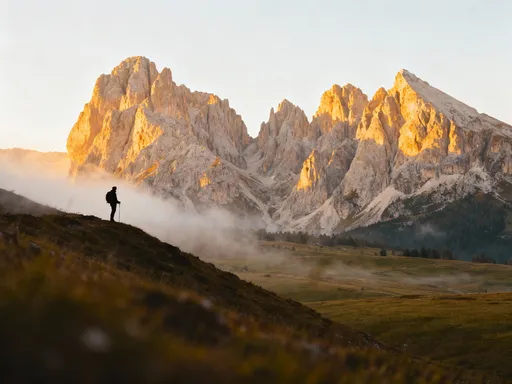
While Calgary’s urban parks offer remarkable access to nature, the true wilderness begins just beyond the city limits. Within an hour’s drive, the landscape shifts dramatically—from flat prairies to rolling foothills, and eventually to the rugged peaks of the Canadian Rockies. One of the most accessible and rewarding destinations is Kananaskis Country, a vast public land area that spans over 4,000 square kilometers of forests, alpine meadows, and glacial rivers. On a recent day trip, I drove southwest along Highway 40, watching as the terrain changed from golden grasslands to dense pine forests, the air growing cooler and crisper with every mile.
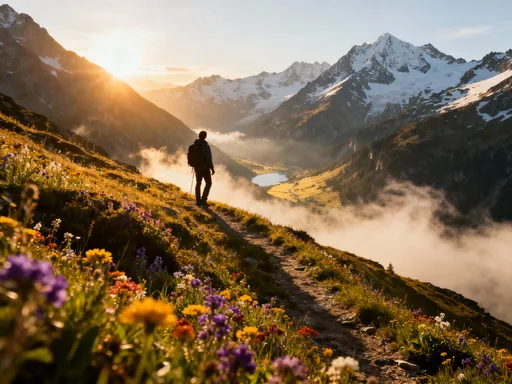
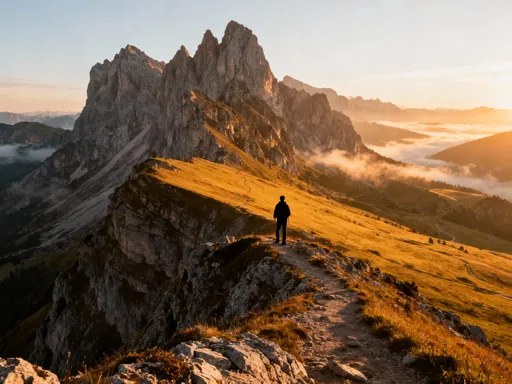
Kananaskis offers a different kind of experience than the city parks—here, trails are less manicured, signage is minimal, and wildlife encounters are more common. I hiked a moderate loop through the Peter Lougheed Provincial Park section, where views opened up to snow-capped peaks reflected in tranquil lakes. The scent of pine and damp earth filled the air, and the only sounds were the wind in the trees and the distant call of a Clark’s nutcracker. Unlike more crowded national parks, Kananaskis maintains a sense of solitude and wildness, even on weekends. It is a place where you can truly feel small in the best possible way—humbled by the scale and beauty of the natural world.
For those seeking a different kind of escape, the eastern prairies offer their own quiet majesty. Driving east of the city, the land flattens into an expansive horizon where the sky seems to stretch forever. Places like the Canadian Badlands and Dinosaur Provincial Park provide a stark contrast to the mountain landscapes, with eroded hoodoos, ancient rock formations, and a sense of timelessness. These areas are ideal for slow travel—driving at a relaxed pace, stopping at small towns for coffee, and taking time to appreciate the subtle beauty of the open land. Whether you choose the mountains or the plains, the key is preparation. Packing layers, bringing plenty of water, checking weather conditions, and letting someone know your plans are essential for a safe and enjoyable outing. With a little planning, even a short weekend can feel like a full wilderness adventure.
Seasonal Magic: How Nature Changes in Calgary
One of the most enchanting aspects of Calgary’s natural spaces is how they transform with the seasons. Each time of year brings a new palette, a new rhythm, and a unique set of experiences. In the spring, the snowmelt feeds rushing streams and fills wetlands, awakening the landscape after months of stillness. Trails that were buried under snow become muddy and vibrant, with the first shoots of wildflowers pushing through the damp earth. Birdsong returns in full force, and migratory species like sandhill cranes pass through on their way north, their calls echoing across open fields.
Summer unfolds in a burst of color and energy. The grasslands turn green, then golden, and wildflowers bloom in abundance—purple coneflowers, yellow blanket flowers, and delicate prairie crocuses dot the hillsides. This is the season for long hikes, riverside picnics, and evening strolls when the sun sets late and the air is warm. The pathways are busy, but even then, it’s easy to find quiet corners, especially in the early morning or on weekdays. For families, summer is prime time for outdoor exploration, with programs like guided nature walks and junior ranger activities available in many parks.
Autumn brings a quieter beauty. The aspen leaves turn brilliant gold, the air grows crisp, and the light takes on a soft, golden quality. This is one of the best times to visit the foothills, where the contrast between yellow trees and dark evergreens creates a painterly landscape. Crowds thin out after the summer rush, making trails more peaceful. Winter, meanwhile, transforms the city’s parks into a serene, snow-covered world. While some may assume outdoor activity slows down, the opposite is true—Calgarians embrace the cold with enthusiasm. Cross-country skiing, snowshoeing, and winter hiking are common, and the pathways remain well-used even in freezing temperatures. The snow muffles sound, creating a sense of stillness and clarity that is hard to find in other seasons. Each season, in its own way, invites a deeper connection to the land.
Wandering with Purpose: Why Slow Travel in Nature Matters
As I reflect on my walks through Calgary’s wild spaces, I realize that what I’ve gained goes far beyond physical exercise or scenic views. These moments of wandering—unhurried, unplanned, and open to discovery—have offered something deeper: a sense of grounding, clarity, and emotional renewal. In a world that often prioritizes speed, productivity, and constant connectivity, choosing to walk slowly through nature feels like a quiet act of resistance. It is a way to reclaim time, to listen to the rustle of leaves instead of the ping of notifications, to notice the way light filters through trees rather than staring at a screen.
Research supports what many intuitively feel—spending time in nature reduces stress, improves mood, and enhances cognitive function. The Japanese practice of shinrin-yoku, or forest bathing, has gained global recognition for its mental health benefits, emphasizing the importance of mindful presence in natural environments. While I didn’t set out to follow any formal practice, my walks in Nose Hill, Fish Creek, and along the Bow River have mirrored this philosophy. There is healing in simply being outside, in allowing the mind to wander as freely as the body. For women in their 30s to 50s—often juggling careers, family responsibilities, and personal well-being—this kind of slow, intentional time in nature can be profoundly restorative.
Calgary’s unique gift is that this kind of experience doesn’t require a vacation or a long journey. It is available every day, in parks that are close, accessible, and free. You don’t need special gear or expertise—just a pair of comfortable shoes and a willingness to step outside. The city’s wild side is not just for adventurers or outdoor enthusiasts; it is for anyone who needs a moment of peace, a breath of fresh air, or a reminder of what matters. So I encourage you: put down the phone, step away from the to-do list, and take a walk. Let yourself wander without a destination. Let the wind, the water, and the open sky remind you of your place in something larger. In doing so, you may just discover, as I did, that the soul of a city is not found in its buildings—but in its wild spaces.