You Gotta Hike These Hidden Trails in San Diego—Nature’s Best Kept Secrets
San Diego isn’t just beaches and burritos—its wild side is absolutely mind-blowing. I never expected to find canyons, coastal bluffs, and blooming wildflower valleys just minutes from the city. Hiking here feels like stepping into a secret world where nature still calls the shots. From sunrise scrambles to ocean-view summits, these trails deliver fresh air, stunning landscapes, and real adventure. Let me show you why San Diego’s natural beauty deserves a spot on every outdoor lover’s map.
Why San Diego is a Hiker’s Hidden Playground
When most people think of San Diego, they picture sunbathers on La Jolla Shores or families strolling through Balboa Park. But beyond the postcard-perfect coastline lies a surprisingly rugged and diverse landscape that offers some of the most rewarding hiking experiences in Southern California. The city sits at the intersection of multiple ecosystems—coastal sage scrub, chaparral, desert, and montane forest—which means every trail can feel like a journey into a different world. What makes San Diego truly special for hikers is how easily you can escape the urban buzz and find yourself surrounded by silence, solitude, and sweeping vistas.
The city’s geography plays a key role in this duality. Just a short drive from downtown, you can be climbing through misty pine forests or navigating sunbaked desert canyons. This proximity to nature is a gift for busy families, working professionals, and weekend adventurers alike. You don’t need to take a week off work to feel immersed in wilderness. Whether you have two hours or an entire day, there’s a trail that fits. And thanks to San Diego’s famously mild Mediterranean climate, hiking is possible year-round. With over 260 days of sunshine annually and average winter temperatures hovering around 65°F, the window for outdoor exploration is wide open.
Yet despite these advantages, San Diego remains underappreciated as a hiking destination. It doesn’t carry the same national reputation as Yosemite or the Sierra Nevada, but that may be part of its charm. The trails are less crowded, the air cleaner, and the experience more intimate. There’s no need to fight for parking at sunrise or queue behind long lines of hikers on narrow paths. Here, you can still find solitude even on a Saturday morning. The city’s network of regional parks, state reserves, and protected open spaces ensures that wild places remain accessible without being overrun.
For families and women in their 30s to 55 who value both adventure and well-being, San Diego’s trails offer more than just physical activity. They provide mental clarity, emotional reset, and a chance to reconnect with the natural rhythms of life. Whether you’re hiking with kids, friends, or solo, the trails invite you to slow down, breathe deeply, and notice the small wonders—a hummingbird hovering near a blooming sage, the crunch of gravel underfoot, the distant cry of a red-tailed hawk. In a world that never stops moving, these moments of stillness are priceless.
Torrey Pines State Natural Reserve: Where Cliffs Meet the Sky
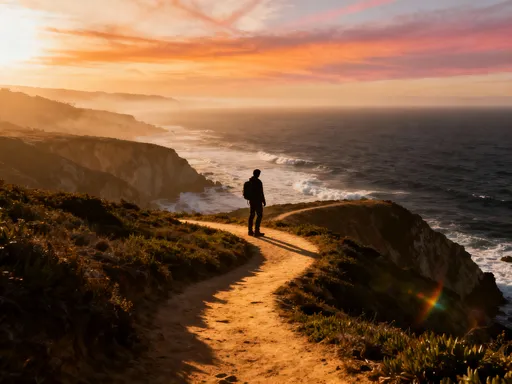
Rising dramatically above the Pacific Ocean, Torrey Pines State Natural Reserve is one of San Diego’s most iconic natural treasures. Located just north of La Jolla, this 2,000-acre reserve protects the rare Torrey pine, the rarest native pine species in the United States. The trees, with their windswept branches and deep roots, cling to the sandstone bluffs like ancient sentinels, surviving in one of the harshest coastal environments. Walking among them feels like stepping into a painting—where blue sky, golden cliffs, and turquoise water blend into a scene of breathtaking harmony.
The reserve offers several well-maintained trails, but the Beach Trail and the Razor Point Loop are particularly beloved for their panoramic views and manageable difficulty. The Beach Trail descends over 300 feet from the main overlook down to the sandy cove below, winding through coastal sage scrub and offering constant ocean vistas. It’s a moderate hike, about 1.4 miles round-trip, but the steep switchbacks can challenge the knees, so sturdy footwear is recommended. Once at the bottom, hikers can walk along the quiet beach, explore tide pools at low tide, or simply sit and listen to the waves.
The Razor Point Loop, about 3.4 miles long, takes you along the cliff edge with uninterrupted views of the coastline. From this vantage point, you might spot gray whales during migration season or see surfers catching waves far below. The trail passes through several distinct microclimates, from sun-drenched ridges to shaded canyons where lizards dart under rocks. Interpretive signs along the way explain the geology, plant life, and conservation efforts that protect this fragile ecosystem.
One of the best times to hike Torrey Pines is early morning, especially in summer. The parking lot fills quickly by 9 a.m., and midday temperatures can soar, even with the ocean breeze. Mornings offer soft light, cooler air, and a sense of privacy as you share the trail with only a few fellow adventurers. Dogs, bikes, and drones are not allowed in the reserve, which helps preserve its peaceful atmosphere. Because of its popularity and ecological sensitivity, a small entrance fee supports trail maintenance and ranger programs. For those seeking both beauty and accessibility, Torrey Pines remains a must-visit destination that captures the soul of San Diego’s wild coast.
Cuyamaca Rancho State Park: Mountains, Meadows, and Mist
Just an hour east of downtown San Diego, the landscape transforms. The dry coastal hills give way to rolling mountains, dense forests, and alpine meadows. Welcome to Cuyamaca Rancho State Park, a 26,000-acre sanctuary nestled in the Cuyamaca Mountains at elevations up to 6,500 feet. Here, the air is cooler, the trees taller, and the silence deeper. This is a place where you can hike among towering sugar pines and black oaks, cross babbling creeks, and wake up to fog drifting through the valleys like ghosts.
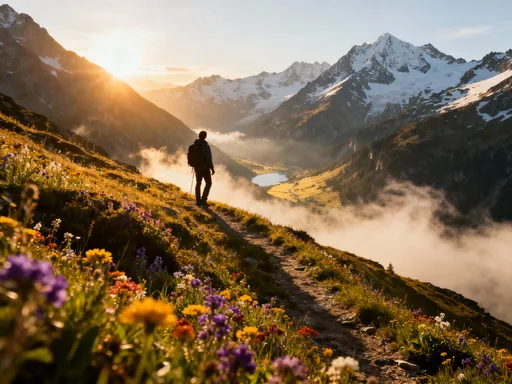
Unlike the sunbaked trails closer to the coast, Cuyamaca offers a more temperate, almost mountainous experience. The Green Valley Loop, a moderate 5.5-mile trail, circles a serene lake and passes through mixed conifer forest. In spring, the meadows explode with color as wildflowers like lupine, paintbrush, and poppies blanket the ground. Birdwatchers delight in sightings of acorn woodpeckers, western bluebirds, and Steller’s jays. Deer are commonly seen grazing at dawn or dusk, and with a bit of luck, you might spot a gray fox or a bobcat slipping through the underbrush.
The Paso Picacho Trail, another favorite, leads to the second-highest peak in San Diego County. At 6.5 miles round-trip with about 1,000 feet of elevation gain, it’s a solid day hike that rewards effort with 360-degree views. On clear days, you can see all the way to the Salton Sea and the Mexican border. The trail winds through recovering forest areas—much of the park was affected by the 2003 Cedar Fire, but regrowth has been remarkable. New pine saplings rise from the ashes, and manzanita bushes bloom with clusters of pink flowers each spring.
What sets Cuyamaca apart is its seasonal variety. In fall, the black oaks turn golden, creating a warm contrast against the evergreen pines. Winter can bring light snowfall, turning the park into a quiet winter wonderland where kids can play in the snow without driving to the distant Sierras. Spring brings renewal, and summer offers a cool retreat from the city’s heat. The park has campgrounds, picnic areas, and even horseback riding trails, making it ideal for family getaways. For women seeking a deeper connection with nature, Cuyamaca provides space to reflect, recharge, and remember the quiet strength found in wild places.
Anza-Borrego Desert State Park: Hiking Among Blooms and Badlands
Stretching across 600,000 acres in Southern California, Anza-Borrego Desert State Park is the largest state park in California and one of the most fascinating desert landscapes in North America. Located about two hours from San Diego, it may seem like another world, but its stark beauty and seasonal transformations make it a must-see destination. This is a land of contrasts—bone-dry arroyos, jagged mountain ranges, and vast desert plains dotted with ocotillo, creosote bush, and barrel cacti. Yet after winter rains, the desert comes alive in a phenomenon known as the superbloom.
During a superbloom, which occurs roughly every 5 to 10 years depending on rainfall, the normally barren ground erupts in a carpet of wildflowers. Orange poppies, purple phacelia, and golden desert sunflowers blanket the valleys, drawing photographers, families, and nature lovers from across the country. The best viewing is usually between late February and early April, but exact timing depends on rain patterns, so checking park updates is essential. Even in non-bloom years, the desert holds quiet wonders—blooming cacti, rare desert lilies, and the eerie silence of an open landscape.
The Borrego Palm Canyon Trail is one of the park’s most popular hikes, a 3-mile round-trip trek that leads to a rare desert oasis fed by a natural spring. Along the way, you’ll pass through a dramatic canyon with towering walls and see California fan palms, the only native palm in California. The trail is well-marked and mostly flat, making it suitable for families and casual hikers. It’s especially beautiful in the late afternoon when the sun casts long shadows across the rock.
For a more adventurous experience, the Slot Canyon Trail offers a thrilling, narrow passage carved by water through sandstone. At just under a mile, it’s short but requires some scrambling and careful footing. The walls rise 50 feet on either side, creating a cool, shaded corridor that feels like a secret passageway. Because flash floods are a real danger in desert canyons, it’s critical to check weather conditions before entering. Rangers at the visitor center provide up-to-date safety information and trail recommendations.
Anza-Borrego also offers stargazing like nowhere else. With minimal light pollution, the night sky blazes with stars, and on clear nights, the Milky Way arcs overhead in brilliant detail. The park hosts annual night sky festivals and guided astronomy programs, perfect for families or solo travelers seeking wonder. For those who think deserts are empty, Anza-Borrego proves otherwise—it’s full of life, history, and quiet magic waiting to be discovered.
Mission Trails Regional Park: Wild Heart of the City
Right within San Diego’s eastern boundary lies a hidden gem: Mission Trails Regional Park. Spanning over 7,000 acres, it’s one of the largest urban parks in the United States and a testament to what’s possible when a community values conservation. Named after the historic Mission San Diego de Alcalá, the park follows the San Diego River and includes six major peaks, native plant communities, and miles of interconnected trails. It’s a place where city dwellers can hike, bike, birdwatch, or picnic without ever leaving the metro area.
The Fortuna Mountain Trail is a favorite among locals, offering a challenging 5.6-mile loop with nearly 1,500 feet of elevation gain. The climb is steep in places, but the summit delivers panoramic views of the city, the ocean, and the surrounding mountains. Along the way, hikers pass through coastal sage scrub, chaparral, and riparian zones, each supporting different plant and animal life. Interpretive signs explain the Kumeyaay people’s historical use of native plants for food and medicine, adding cultural depth to the experience.
For a slightly easier but equally rewarding climb, the Cowles Mountain East Summit Trail is the most popular hike in the park. At just 1.5 miles each way with about 700 feet of elevation, it’s accessible to most fitness levels. The summit is the highest point in San Diego proper, and on a clear day, you can see from the Coronado Bridge to Mount San Jacinto. It’s especially popular at sunrise, when the city lights fade and the first golden light touches the hills.
Mission Trails is more than just a recreational space—it’s a living classroom and conservation lab. The park’s visitor center features exhibits on local ecology, geology, and Native American history. Guided nature walks, birding tours, and volunteer restoration projects help connect residents to their environment. For families, it’s a safe, educational place to teach kids about nature and stewardship. And because it’s free to enter and open daily from sunrise to sunset, it removes barriers to access. In a city that’s growing fast, Mission Trails stands as a reminder that wild spaces are not luxuries—they are necessities.
Best Practices: How to Hike Smart in San Diego
While San Diego’s trails are welcoming, they demand respect and preparation. The region’s dry climate, intense sun, and variable terrain mean that even short hikes can become dangerous without proper planning. The most important rule? Always carry more water than you think you’ll need. Dehydration is the most common issue hikers face, especially on exposed trails like Cowles Mountain or in the desert heat of Anza-Borrego. A good rule of thumb is one liter of water for every two hours of hiking, and more in summer or on strenuous routes.
Sun protection is equally critical. The UV index in Southern California is often high, even on cloudy days. Wear a wide-brimmed hat, UV-blocking sunglasses, and sunscreen with SPF 30 or higher. Lightweight, long-sleeved shirts made from moisture-wicking fabric can protect your skin while keeping you cool. Many hikers underestimate how quickly they can burn on open trails with no shade, so preparation is key.
Footwear matters. While sneakers may work on flat, paved paths, most trails require sturdy hiking shoes or boots with good traction. Loose gravel, rocky descents, and sandy sections can lead to slips or ankle injuries. Invest in comfortable, broken-in footwear that supports your feet and prevents blisters. A small daypack with essentials—water, snacks, a first-aid kit, a map, and a fully charged phone—is also recommended.
Check trail conditions before you go. Some parks, like Anza-Borrego or Cuyamaca, may have seasonal closures due to fire risk, flooding, or wildlife activity. The AllTrails app, park websites, and local ranger stations provide up-to-date information on trail accessibility, weather, and safety alerts. In fire season, which typically runs from late summer to fall, some areas may be closed entirely. Always follow posted signs and closures—they exist for your protection.
Finally, practice Leave No Trace principles. Pack out all trash, stay on designated trails to prevent erosion, and avoid disturbing plants or wildlife. Do not feed animals, as this alters their natural behavior and can be dangerous. Respect other hikers by keeping noise levels down and yielding appropriately on narrow paths. By hiking responsibly, you help preserve these spaces for future generations.
Why These Trails Matter Beyond the Views
The beauty of San Diego’s trails isn’t just in their scenery—it’s in what they do for the soul. In a world that moves too fast, where screens dominate attention and stress levels run high, hiking offers a rare form of healing. Studies have shown that time in nature reduces cortisol levels, improves mood, and enhances mental clarity. For women balancing careers, families, and personal well-being, a hike can be a powerful act of self-care. It’s not just exercise—it’s therapy, meditation, and renewal all in one.
These trails also connect us to something larger than ourselves. Walking through a desert bloom, listening to birdsong in a mountain forest, or watching the sun rise over the Pacific reminds us that we are part of a vast, intricate web of life. That awareness fosters humility, gratitude, and a deeper commitment to protecting the natural world. San Diego’s parks and reserves exist because of decades of conservation efforts by individuals, communities, and organizations who believed these places were worth saving.
Every time you hike, you become part of that legacy. Your footsteps on the trail support the value of open space. Your presence shows that people care about clean air, clean water, and wild places. And when you share your experiences with children, friends, or neighbors, you inspire others to explore, appreciate, and protect. The trails are not just destinations—they are invitations to live more mindfully, more gently, and more joyfully.
So whether you’re lacing up your boots for the first time or returning to a favorite path, remember this: every hike matters. It matters for your health, for your family, and for the future of these wild spaces. San Diego’s hidden trails are more than scenic escapes—they are quiet teachers, showing us how to breathe, how to listen, and how to belong. Go explore. The wild is waiting.