You’ve Never Seen Mountains Like This – My Dolomites Escape Awaits
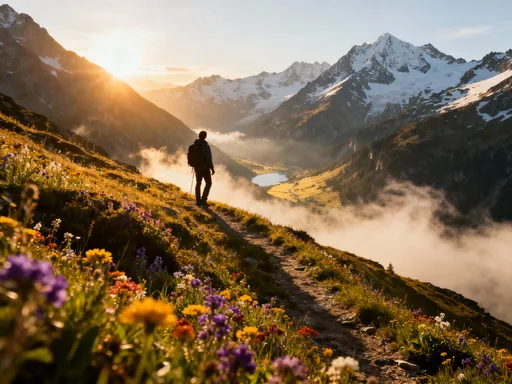
The Dolomites in northern Italy aren’t just mountains—they’re a living postcard. I went seeking peace and found adventure tucked into every valley and peak. From alpine meadows to vertigo-inducing trails, this range offers immersive experiences that go beyond sightseeing. Whether you're hiking under jagged spires or sipping espresso in a rustic rifugio, the landscape pulls you in. Let me show you the real magic of this UNESCO World Heritage site—raw, authentic, and unforgettable. These towering pale peaks rise like ancient sentinels above lush green valleys, where cowbells echo through meadows and wooden chalets dot the hillsides. This is not a place you simply visit; it’s one you feel in your bones. For travelers who crave both serenity and quiet adventure, the Dolomites offer a rare balance—untamed beauty paired with thoughtful accessibility. This is a journey of discovery, not just of mountains, but of a slower, more meaningful way to travel.
Why the Dolomites? The Magic Beyond the Postcard
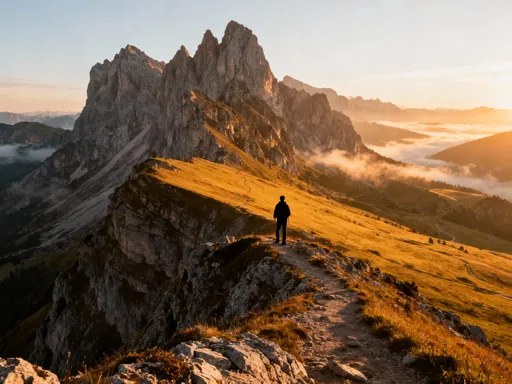
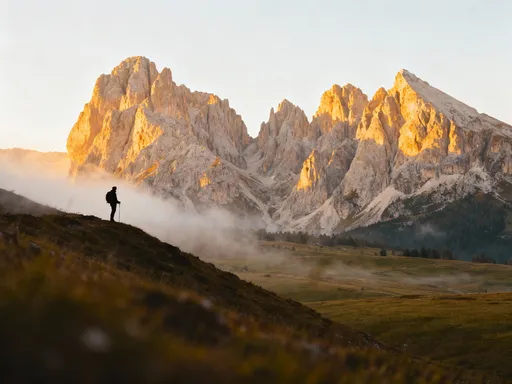
The Dolomites stand apart from other mountain ranges not only for their dramatic beauty but for the unique geological story they tell. Formed over 250 million years ago from ancient coral reefs and seabeds, these jagged peaks are composed primarily of dolomite rock, a calcium magnesium carbonate that gives them their signature pale hue. When sunlight strikes at dawn or dusk, the mountains glow in vibrant shades of pink and gold—a phenomenon known locally as “enrosadira.” This natural light show, combined with their sharp, fortress-like formations, makes the Dolomites instantly recognizable and deeply moving. In 2009, UNESCO recognized nine distinct mountain systems within the range for their outstanding natural beauty and geological significance, solidifying their status as a global treasure.
But the magic of the Dolomites extends beyond geology. This region lies at the cultural crossroads of Italy and Austria, where Italian charm meets Alpine tradition. You’ll hear Germanic accents in village squares, see onion-domed church spires alongside Romanesque bell towers, and taste strudel served beside rich polenta. The Ladin people, a small Romance-speaking ethnic group with roots stretching back to the Roman Empire, have lived in these valleys for centuries. Their language, art, and customs add another layer of cultural richness to the landscape. This blend of influences creates a destination that feels both familiar and wonderfully distinct, offering travelers a chance to experience Europe’s mountain heritage in its most harmonious form.
What truly sets the Dolomites apart is how accessible their wildness feels. Unlike remote mountain ranges that require technical gear or extensive trekking to reach, many of the most breathtaking views are within reach of moderate hikers. Cable cars whisk visitors to high-altitude trailheads, allowing even casual adventurers to stand among the clouds. Yet, step off the main paths, and solitude awaits. The contrast between easy access and profound natural immersion is rare in today’s world of crowded tourist destinations. Whether you're drawn by panoramic vistas, cultural depth, or the simple pleasure of clean mountain air, the Dolomites offer a multi-sensory journey that lingers long after you’ve returned home.
Theme Area #1: Vertical Wonderlands – Hiking the Iconic Tre Cime Loop
If there’s one trail that captures the soul of the Dolomites, it’s the Tre Cime di Lavaredo loop. These three colossal limestone spires—Cima Piccola, Cima Grande, and Cima Ovest—rise nearly 1,000 meters straight from the valley floor, creating a skyline so dramatic it feels almost unreal. The 10-kilometer circular trail, with an elevation gain of about 400 meters, is challenging enough to feel rewarding but manageable for most hikers with a moderate fitness level. Starting from the parking area near Rifugio Auronzo, the path winds through alpine meadows, rocky passes, and forested slopes, offering ever-changing perspectives of the peaks. Each turn reveals a new composition of light and shadow, rock and sky.
For the most transformative experience, begin your hike at sunrise. Arriving before dawn, when the first light crests the eastern ridge, is nothing short of magical. The three towers emerge from darkness, slowly illuminated in warm alpenglow. The silence at this hour is profound—broken only by the distant call of a marmot or the rustle of wind through mountain pines. As the sun climbs, the colors shift from deep rose to brilliant white, revealing intricate fissures and textures in the rock face. Photographers and nature lovers alike agree: this is one of the most photographed landscapes in the Alps, and for good reason. The visual impact is immediate and lasting.
To make the most of your visit, timing and preparation are key. The trail is busiest between 10 a.m. and 4 p.m., when day-trippers arrive by car and shuttle. By starting early—ideally between 5:30 and 6:30 a.m.—you’ll avoid the crowds and enjoy a more intimate connection with the landscape. Wear sturdy hiking boots, bring layers (temperatures can vary significantly with elevation), and carry at least two liters of water. While snacks are available at Rifugio Locatelli along the route, it’s wise to pack your own food. Parking near the trailhead requires a reservation during peak season (July to early September), so plan ahead. Alternatively, take the local bus from nearby towns like Toblach or Cortina d’Ampezzo to reduce your environmental impact and simplify logistics.
Theme Area #2: Alpine Village Charm – Life in the Valleys
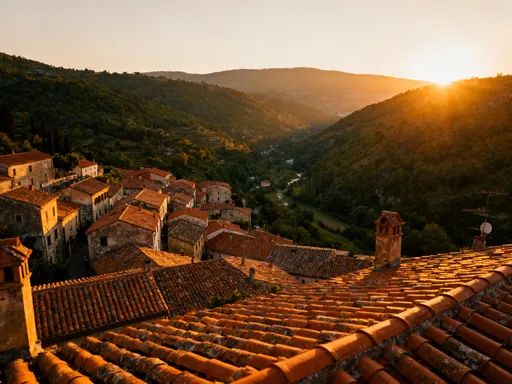
While the peaks draw the eye, the heart of the Dolomites beats in its valleys, where centuries-old villages preserve a way of life shaped by the rhythms of nature. Towns like Ortisei in Val Gardena, Corvara in Badia, and San Candido in the Puster Valley are more than just base camps for hikers—they are living expressions of mountain culture. Wooden balconies overflow with geraniums, church bells mark the hours, and locals greet one another by name in Ladin, German, or Italian. These communities thrive on seasonal cycles: in summer, cows graze on high pastures; in autumn, families gather apples and chestnuts; in winter, ski culture takes center stage. To visit is to step into a world where tradition and modernity coexist gracefully.
Architecture in these villages reflects their multicultural heritage. You’ll see Tyrolean-style homes with steep roofs designed to shed snow, frescoed facades depicting saints and Alpine scenes, and centuries-old chapels nestled along forest trails. In Ortisei, the Church of St. Ursula stands as a testament to Baroque craftsmanship, while San Candido’s Collegiata di San Candido boasts Romanesque origins and stunning medieval frescoes. Wandering through cobbled lanes, you’ll find artisan workshops where woodcarvers continue a tradition dating back to the 17th century. Many families still craft intricate nativity scenes, figurines, and decorative items by hand, preserving skills passed down through generations.
To truly connect with local life, seek out family-run guesthouses, known as “pensioni” or “garni,” where hospitality is personal and meals are made from regional ingredients. Visit village markets on weekends to sample fresh cheeses, cured meats, and homemade jams. In summer, many towns host open-air concerts, folk festivals, and farmers’ markets that invite visitors to join in the celebration of mountain life. Dining is a highlight—regional dishes like canederli (bread dumplings in broth), speckknödel (smoked dumplings), and creamy polenta with mushroom ragù reflect the hearty, nourishing cuisine of the Alps. Pair your meal with a glass of local wine from the nearby Alto Adige region, known for its crisp whites and balanced reds. These small moments—sharing a meal, listening to Ladin music, watching children play in the square—add depth to any journey through the Dolomites.
Theme Area #3: High-Altitude Hideaways – Staying in Rifugi
One of the most authentic ways to experience the Dolomites is by staying overnight in a rifugio—mountain huts perched at elevations between 1,800 and 2,500 meters. These shelters, often reachable only by foot or cable car, offer a rare chance to sleep among the peaks, far from the noise and distractions of modern life. Rifugi are more than just accommodations; they are hubs of camaraderie, warmth, and simplicity. Run by caretakers known as “custodi,” they provide basic lodging, hearty meals, and a sense of community that few hotels can match. For many visitors, a night in a rifugio becomes the emotional centerpiece of their trip—a moment of quiet reflection under star-filled skies.
Expect modest but comfortable conditions. Most rifugi offer shared dormitory-style rooms with bunk beds and communal bathrooms. While some larger huts now have private rooms and limited electricity, others remain off-grid, relying on solar power or propane. There is no room service, no Wi-Fi, and often no mobile signal—by design. This digital detox allows guests to fully engage with the natural world. Evenings are spent around long wooden tables, sharing stories with fellow hikers over steaming bowls of soup, pasta, or stew. Breakfast is equally simple: bread, jam, cheese, and strong coffee to fuel the next day’s adventure. The food may be basic, but it’s deeply satisfying after hours of hiking at altitude.
Two rifugi stand out for their accessibility and breathtaking locations. Rifugio Fanes, nestled in a high valley surrounded by limestone cliffs, serves as a gateway to the Fanes-Sennes-Braies Nature Park. The hike from San Vigilio takes about three hours and passes through flower-filled meadows and ancient forests. Rifugio Locatelli, located just below the Tre Cime, offers unparalleled views and is a popular stop for hikers completing the loop. Both huts are well-maintained, staffed year-round during the hiking season, and offer meals to non-guests. Reservations are essential, especially in July and August, and can be made through regional tourism websites or directly with the Alpine Club of South Tyrol. Staying in a rifugio isn’t about luxury—it’s about presence, connection, and the quiet joy of being exactly where you are.
Theme Area #4: Thrills with a View – Rock Climbing and Via Ferrata
For those seeking a deeper physical and emotional connection to the Dolomites, via ferrata offers a thrilling middle ground between hiking and rock climbing. The term, Italian for “iron path,” refers to protected climbing routes equipped with steel cables, rungs, ladders, and fixed anchors that allow climbers to traverse otherwise inaccessible cliffs and ridges. Originating during World War I to move troops across the Alps, these routes have been preserved and expanded into a network of over 400 paths throughout the Dolomites. Today, they provide a safe yet exhilarating way to experience the vertical dimension of the mountains.
Many via ferrata routes are suitable for beginners with proper guidance and equipment. The Via Ferrata Clara, located near Cortina d’Ampezzo, is a popular choice for first-timers. It ascends a scenic ridge with panoramic views of the Tofane peaks and includes a short suspension bridge that adds an extra dose of excitement. The Friedrich August Route, near Prags, is another accessible option, featuring well-maintained cables and moderate exposure. Both routes take about four to five hours to complete and require a harness, helmet, via ferrata set (a Y-shaped lanyard with carabiners), and sturdy footwear. Rental gear is widely available in towns like Bolzano, Brixen, and Brunico, where outdoor shops also offer safety briefings and route recommendations.
Safety is paramount. While via ferrata routes are designed to be secure, they are not risk-free. Weather can change rapidly at altitude, and strong winds or rain can make the cables slippery and dangerous. The best time to attempt these routes is from July to mid-September, when conditions are most stable. For added peace of mind, especially for beginners, hiring a certified mountain guide is highly recommended. The Alpine Club of South Tyrol and local guiding services offer half-day and full-day excursions that include instruction, equipment, and logistical support. The reward for your effort is not just the adrenaline rush, but the profound sense of accomplishment that comes from moving confidently across a sheer rock face, with nothing but sky and mountain beneath your feet.
Getting There & Getting Around – Practical Immersion Made Easy
Reaching the Dolomites is easier than many travelers expect, thanks to a well-connected network of airports, trains, and regional buses. The closest major airports are Venice Marco Polo (about 2.5 hours by car) and Innsbruck in Austria (roughly 2 hours). Both offer international flights and ground transportation options to the region. For those preferring rail travel, direct trains from major European cities connect to key hubs like Brixen (Bressanone) and Fortezza (Franzensfeste) in South Tyrol. From there, regional buses operated by SASA and SAD link to valley towns such as Ortisei, Corvara, and San Candido. The South Tyrol Guest Pass, included with most accommodations, provides free access to local public transit, making car-free travel a realistic and eco-friendly option.
For maximum flexibility, renting a car is an excellent choice. Well-maintained roads wind through the mountains, leading to trailheads, rifugi access points, and scenic viewpoints. Popular routes include the Great Dolomites Road (SS241), which connects Bolzano to Cortina d’Ampezzo, and the Passo Gardena, a high mountain pass offering stunning views of the Sella Group. When driving, be mindful of narrow switchbacks and seasonal closures—some high passes are only open from late May to October. Parking at trailheads often requires a fee during peak season, and spaces fill quickly, so arriving early is advisable. For a more sustainable approach, consider using the region’s shuttle services, which operate between major towns and popular hiking areas during the summer months.
Biking is another rewarding way to explore the lower valleys. E-bikes are increasingly popular, allowing riders of all fitness levels to tackle gentle climbs and enjoy the scenery at a relaxed pace. Many hotels and rental shops offer guided e-bike tours through vineyards, orchards, and forest trails. In winter, the same routes transform into cross-country ski tracks and sledding paths. No matter your preferred mode of transport, the Dolomites are designed to be explored slowly. The region’s infrastructure supports responsible tourism, with clear signage, well-marked trails, and multilingual information available at visitor centers. Planning ahead with tools like the Alto Adige Tourism website or the Komoot app ensures a smooth, stress-free journey.
When to Go & How Long to Stay – Maximizing Your Mountain Moment
Timing your visit can dramatically shape your experience of the Dolomites. Summer, from early July to early September, is the prime season for hiking, via ferrata, and rifugio stays. During these months, the high trails are snow-free, wildflowers blanket the meadows, and the days are long and sunny. This is also the busiest time, so booking accommodations and transportation in advance is essential. For travelers who prefer fewer crowds and golden light, late September offers a quieter alternative, with crisp air and autumn colors beginning to paint the valleys.
Autumn, particularly October, is ideal for photographers and those who appreciate dramatic light and solitude. The cooler temperatures make hiking comfortable, and the changing foliage—yellows, reds, and oranges—contrasts beautifully with the pale peaks. While some rifugi close after mid-September, many remain open on weekends or for special events. Winter transforms the region into a ski paradise, with world-class resorts like Alta Badia and Val Gardena offering groomed runs, ski schools, and cozy après-ski culture. Though the hiking trails are snow-covered, snowshoeing and winter trekking provide peaceful ways to experience the mountains’ quiet beauty.
To truly absorb the essence of the Dolomites, plan for at least five to seven days. This allows time to explore multiple valleys, complete a major hike like the Tre Cime loop, experience village life, and spend at least one night in a rifugio. A sample itinerary might begin in Ortisei, with a day exploring the Seceda ridgeline via cable car and hike. From there, travel to Cortina d’Ampezzo for the Tre Cime experience, then move to the Prags Valley for via ferrata and forest trails. End in San Candido with a visit to the nearby Braies Lake, a mirror-like alpine lake framed by cliffs and pine trees. Each location offers a different facet of the region’s beauty, and moving between them allows for a rich, layered journey.
The Dolomites are not a destination you forget. Long after your boots are cleaned and your photos are uploaded, you’ll find yourself recalling the sound of cowbells at dawn, the taste of warm strudel in a mountain hut, the silence of a high ridge at sunset. This is a place that invites slowness, presence, and wonder. It doesn’t demand extreme feats or luxury comforts—only your attention. And in return, it offers something rare: a sense of awe that feels both expansive and deeply personal. Whether you come for the views, the trails, or the quiet moments in between, the Dolomites will leave their mark. This is not just a trip. It’s a reminder of how beautiful the world can be when we take the time to look up.